 111
111 2
2 3
3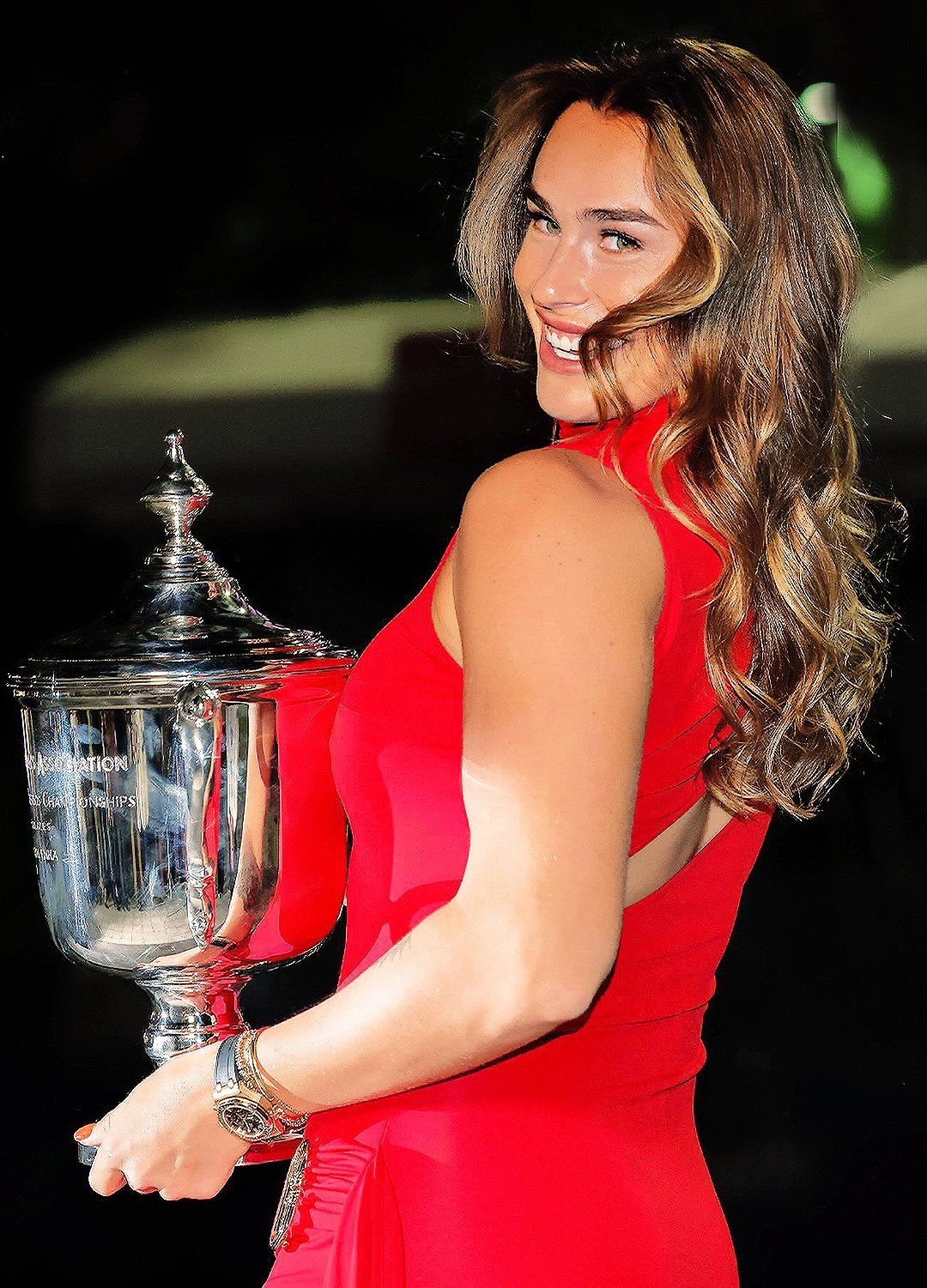
In a world accustomed to seeing Aryna Sabalenka as an unbreakable force of nature—crushing forehands, roaring serves, and a demeanor of steel—she recently revealed a startlingly human side. During a candid moment at the Laureus World Sports Awards ceremony held in Madrid, the Belarusian superstar admitted to a paralyzing fear that almost made her flee the stage.
“I wanted to disappear!” Sabalenka confessed, describing the intense stage fright she felt while accepting a prestigious award. This raw admission strips away the armor of the tennis titan, revealing the universal anxiety that can plague even the most dominant athletes when the spotlight shifts from the court to the stage.
The setting was the glittering Laureus Awards in Madrid, an event celebrating the world’s greatest sporting achievements. The atmosphere was electric, filled with celebrities, dignitaries, and the global media. For Sabalenka, a multiple Grand Slam champion and a favorite on the clay courts, the night was meant to be a celebration of her career.
However, as she stepped up to the microphone to accept her award, the familiar adrenaline of a match day was replaced by a different kind of terror. The silence of the room, the hundreds of eyes, and the weight of the moment triggered a visceral reaction.
“I wanted to disappear!”
This single, powerful phrase captures the essence of performance anxiety in a new context. For an athlete used to controlling the narrative through physical dominance, the passivity of an awards ceremony can feel like a loss of control. The stage, usually a place of triumph, became a source of overwhelming dread.
Sabalenka’s confession is a window into the psychological pressures faced by elite athletes. While the tennis court offers a clear objective (win the point, win the match), the awards stage offers no such clarity. The expectations are different: to be graceful, to be poised, to be “perfect” in a social setting.
Sabalenka’s honesty highlights a crucial point: mental resilience is not the absence of fear, but the ability to act despite it.
What makes Sabalenka’s admission so powerful is not just the fear itself, but her courage to share it. In the high-stakes world of professional sports, where athletes are often pressured to project invincibility, vulnerability is a rare and valuable currency.
By admitting she wanted to disappear, Sabalenka:
The choice of Madrid for this confession adds a layer of irony and depth. Madrid is a city where Sabalenka has faced the pressure of the Mutua Madrid Open, a tournament where the clay courts demand mental fortitude. The city’s vibrant energy, while inspiring, can also be overwhelming.
In Madrid, Sabalenka has learned to channel her aggression into dominance on the court. At the Laureus Awards, she had to channel her anxiety into grace off the court. The contrast between the two environments underscores the versatility required of a modern athlete: to be a warrior on the clay and a diplomat in the ballroom.
Sabalenka’s statement is a call to action for the sports community to prioritize mental health and emotional well-being. It challenges the narrative that athletes must be “tough” in every aspect of their lives.
While Aryna Sabalenka’s Laureus Award was a tangible symbol of her athletic achievements, her most significant contribution that night was her honesty. The moment she admitted, “I wanted to disappear,” she became more than a tennis player; she became a role model for anyone who has ever felt small in a big room.
Her journey from the terror of the stage to the confidence of the podium is a testament to her resilience. It reminds us that even the strongest among us have moments of doubt, and that it is okay to admit it. In the end, the courage to face the fear and speak the truth is the greatest victory of all.
Key Takeaways:
As Sabalenka returns to the clay courts of Madrid and beyond, she carries with her not just the weight of her trophies, but the lightness of a truth shared. And in that truth, she finds a new kind of power.