 111
111 2
2 3
3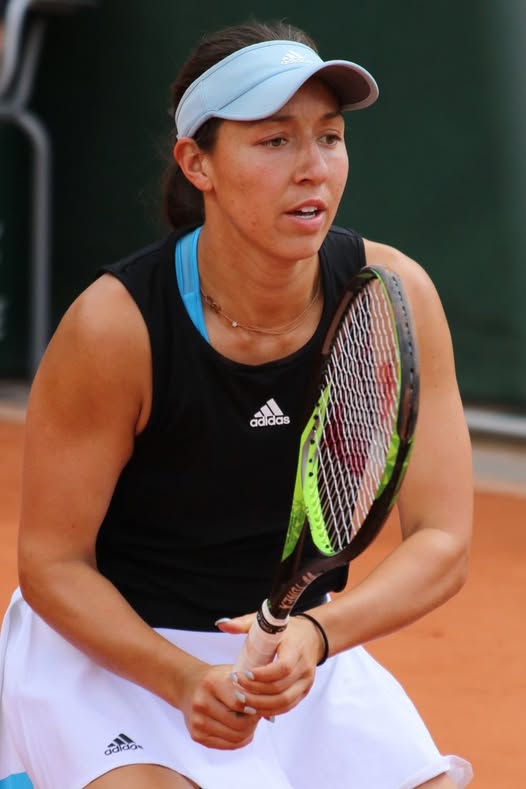
The Mutua Madrid Open, one of the most prestigious clay-court tournaments on the ATP and WTA tours, delivered high drama in the second round as British hopes faced divergent fates. In a match that showcased the grit and tactical evolution of the modern game, Cameron Norrie secured a hard-fought victory to advance to the third round, while compatriot Katie Boulter was swept aside by American powerhouse Jessica Pegula in a dominant display of American tennis.
The results mark a pivotal moment in the European clay season, highlighting the growing depth of US women’s tennis and the resilience required to navigate the unique challenges of the red dirt in Spain.
Cameron Norrie, known for his unorthodox footwork and relentless consistency, faced a stiff test against a formidable opponent. In a match that could easily have slipped away on the slow Madrid clay, Norrie demonstrated why he is a perennial threat on the surface.
Norrie’s victory was not defined by blistering power but by strategic precision. On clay, points are often won through attrition, and Norrie excelled at extending rallies, forcing errors, and capitalizing on the slightest openings.
“Cameron played a textbook clay-court match today,” noted a post-match analyst. “He understood that on this surface, you have to be willing to grind. He didn’t try to hit winners from impossible positions; he just kept the ball in play until his opponent made a mistake.”
Norrie’s advancement keeps the British men’s hopes alive in Madrid, setting up a third-round clash that will test his stamina and tactical flexibility further. For Norrie, this win is a crucial confidence booster as he aims to make a deep run in the Masters 1000 event.
On the women’s side, the narrative was starkly different. Katie Boulter, the British number one, entered the match with momentum but found herself outmatched by the sheer consistency and power of Jessica Pegula. The American star, known for her aggressive baseline game and exceptional court coverage, dismantled Boulter’s defense in a straight-sets victory.
Pegula’s win was a masterclass in modern baseline dominance. Her game is perfectly suited to the Madrid clay, where her heavy forehand and ability to dictate play from the back of the court force opponents into defensive positions.
Boulter, known for her fighting spirit, struggled to find her rhythm. The clay surface, while slower, amplified Pegula’s strengths and exposed the gaps in Boulter’s game. Despite her efforts to vary her pace and drop shots, she couldn’t match Pegula’s relentless consistency.
“Jessica played a near-flawless match,” said a tennis commentator. “She didn’t give Katie any room to breathe. On clay, that kind of consistency is deadly.”
The contrasting results for Norrie and Boulter highlight the current state of British tennis. While Norrie continues to prove his versatility and resilience on the international stage, Boulter’s loss underscores the steep climb remaining to compete with the world’s elite.
Jessica Pegula’s victory is part of a larger trend of American women dominating the WTA tour. With players like Pegula, Coco Gauff, and Madison Keys consistently performing at the highest level, the US women’s team is a formidable force on all surfaces, including clay. This dominance is a challenge for players from other nations, including the UK, who must adapt their games to compete with the power and consistency of the top Americans.
The Madrid Open is a crucial test for players transitioning from hard courts to clay. The surface demands a different set of skills: sliding, patience, and the ability to construct points over long rallies. Norrie’s success demonstrates his mastery of these elements, while Boulter’s struggles highlight the difficulty of adapting to the unique demands of the clay court at the highest level.
Cameron Norrie now faces a crucial third-round match. His opponent will likely be a high-ranked player, and the pressure will be immense. Norrie will need to maintain his tactical discipline and mental focus to continue his run. A deep run in Madrid could propel him into the top 20 and boost his confidence for the upcoming French Open.
Katie Boulter, meanwhile, faces a moment of reflection. Her loss to Pegula is a stark reminder of the gap between the top players and the rest of the field. To close that gap, Boulter will need to work on her consistency, power, and mental toughness. The clay season is far from over, and there are opportunities to learn and improve before the French Open.
The second round of the Madrid Open provided a clear illustration of the challenges and triumphs of professional tennis. Cameron Norrie showed that with patience, tactical discipline, and mental fortitude, it is possible to overcome formidable opponents on the clay. Katie Boulter, on the other hand, faced the harsh reality of competing against the world’s best, as Jessica Pegula delivered a masterclass in power and consistency.
As the tournament progresses, the focus will shift to the next round of matches, where the stakes will only get higher. For Norrie, the path is clear: keep grinding, stay consistent, and let the tactics do the work. For Boulter, the lesson is clear: the gap to the top is real, but it is not insurmountable with hard work and the right adjustments.
In the end, the Madrid Open is a microcosm of the tennis world: a place where talent meets opportunity, and where the red dirt of Spain separates the good from the great.