 111
111 2
2 3
3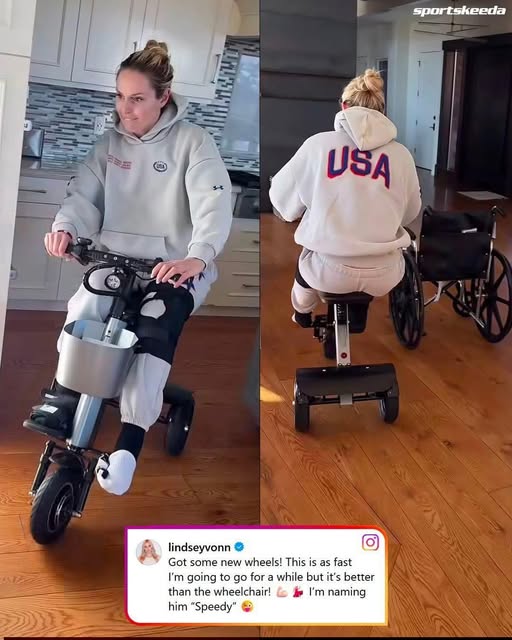
Lindsey Vonn is no stranger to comebacks. But her recent statement about the possibility of competing in the 2030 Winter Olympics has reignited global excitement—and debate.
“I would only do it if I could be fast.”
That one sentence captures everything: ambition, realism, and the relentless standard that has defined her legendary career.
After devastating injuries, multiple surgeries, and a grueling recovery journey, Vonn is not chasing participation—she’s chasing performance.
This article breaks down what her statement really means, the likelihood of a return, and the powerful lessons behind her mindset.
At face value, the quote seems straightforward. But in elite sports, it carries deeper implications.
In today’s sports landscape, many athletes return for legacy or visibility. Vonn’s stance sets a higher bar:
If she returns, it will be to win—not just to show up.
The 2030 Winter Olympics may seem far away, but for an athlete recovering from major injuries, the timeline is both an opportunity and a challenge.
Vonn would be in her mid-40s—an age rarely seen in elite alpine skiing.
Her ability to fully recover from recent injuries will be the most critical factor.
Returning to Olympic-level form requires:
Modern sports science could extend athletic longevity, improving her chances.
Vonn is not interested in nostalgia—only results.
She understands her limits and refuses to compromise her standards.
Even after retirement and injury, her competitive drive remains intact.
Every step of her rehabilitation is building toward potential future performance.
She will only return if she proves to herself she can be competitive.
Alpine skiing remains one of the most dangerous sports, especially after injury.
A successful return at her age would challenge long-held assumptions in sports.
Speed in alpine skiing depends on:
After multiple injuries and surgeries, regaining:
…is incredibly demanding.
Vonn has done it before—multiple times.
While physical recovery is uncertain, her mental strength remains one of her biggest assets.
Mental readiness often determines whether physical potential can be realized.
No. She has not confirmed a return—only that she hasn’t ruled it out.
It’s rare, but not impossible. However, competing at a medal-winning level would be extraordinary.
Because in alpine skiing:
It could elevate her legacy from legendary to unprecedented.
A Vonn return would have major implications:
Her comeback would dominate headlines worldwide.
Brands would align with her story of resilience and excellence.
Olympic ratings could see a significant boost.
Her return could inspire a new generation of athletes.
Don’t lower your expectations—raise your preparation.
Self-awareness is critical for success.
What matters is what you can deliver—not how it looks.
Great achievements require time and patience.
Not every goal is guaranteed—but it’s still worth pursuing.
In a world driven by quick wins and instant gratification, Vonn’s approach is refreshing:
It’s a mindset that applies far beyond sports.
For now, her focus remains:
The 2030 Olympics remain a possibility—not a promise.
Lindsey Vonn’s statement about the 2030 Olympics is not about nostalgia—it’s about standards.
“I would only do it if I could be fast.”
That mindset is what separates great athletes from legends.
Whether she returns or not, one thing is certain:
She will only step back onto the world stage if she believes she can dominate it.
And if she does?
It won’t just be a comeback.
It will be history in motion.