 111
111 2
2 3
3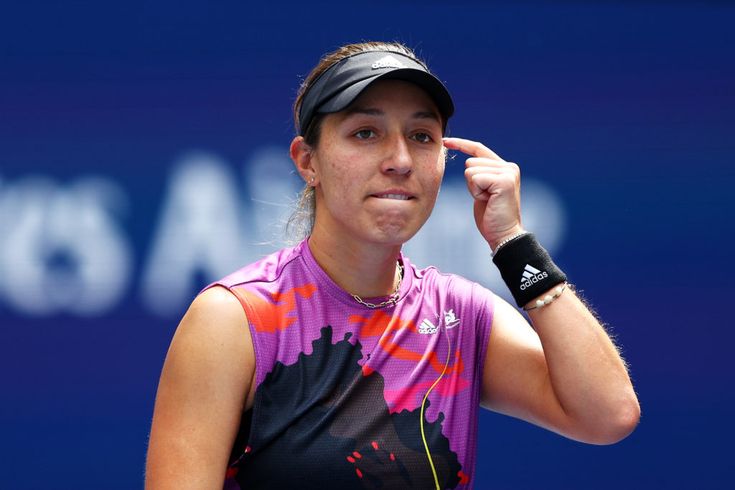
The clay courts of the Mutua Madrid Open are set for another compelling showdown as Jessica Pegula faces off against Katie Boulter in a matchup that promises intensity, tactical intrigue, and a battle of contrasting styles.
While Pegula enters as the more established name on tour, Boulter arrives with confidence and momentum, ready to challenge the hierarchy. This isn’t just a routine early-round clash—it’s a test of adaptability on clay, mental resilience, and who can seize the big moments when it matters most.
Let’s break down this fascinating encounter, analyze both players’ strengths, and make a confident prediction for this Madrid Open clash.
On paper, this matchup leans in favor of Jessica Pegula. The American has built a reputation as one of the most consistent players on the WTA Tour, combining clean ball-striking with exceptional court awareness.
Katie Boulter, on the other hand, thrives on aggressive play. Her game is built around powerful serves, bold groundstrokes, and a willingness to dictate rallies. While she’s traditionally more comfortable on faster surfaces, her recent improvements suggest she’s becoming a more complete player.
Madrid’s unique clay conditions—faster than traditional clay due to altitude—could play a crucial role. It’s not classic slow clay, which means Boulter’s attacking instincts might find more reward than usual.
Jessica Pegula’s greatest strength is her reliability. She rarely beats herself, and her ability to absorb pace and redirect shots makes her one of the toughest opponents on tour.
Clay courts, including those in Madrid, suit her patient style. While she may not have the heavy topspin of traditional clay specialists, her ability to stay solid and wait for errors often gives her the edge.
However, Pegula’s challenge in this match will be dealing with Boulter’s early aggression. If she allows Boulter to dictate points too easily, the match could become more complicated than expected.
Katie Boulter comes into this match as the underdog—but a dangerous one. Her aggressive approach can overwhelm opponents, especially if she finds rhythm early.
The Madrid conditions could actually benefit her. Unlike slower clay courts, Madrid allows players to hit through the surface more effectively. That means Boulter’s flat shots could penetrate the court and put Pegula under pressure.
The question, however, is consistency. Boulter’s high-risk style can produce errors, especially against a player as steady as Pegula.
While their head-to-head history may not be extensive, experience at the top level heavily favors Pegula. She has faced—and beaten—the best players in the world on the biggest stages.
Boulter is still building that level of experience, particularly on clay against elite opposition. That doesn’t mean she can’t win—but it does mean she’ll need to play near-perfect tennis to overcome Pegula’s consistency.
This match will likely hinge on a few key tactical elements:
If Boulter lands a high percentage of first serves, she can control points early. If not, Pegula’s return game will immediately put her on the defensive.
Pegula will aim to extend points, while Boulter will try to shorten them.
Boulter’s aggressive game naturally comes with risk. If errors pile up, Pegula will capitalize quickly.
Pegula has proven time and again that she can stay calm under pressure. Boulter will need to maintain focus, especially if momentum swings.
The Mutua Madrid Open is unlike any other clay tournament. Played at altitude, the ball travels faster, and rallies can be shorter.
This creates an interesting dynamic:
In many ways, Madrid levels the playing field slightly, giving aggressive players like Boulter a better chance than on traditional clay courts like Roland Garros.
Jessica Pegula enters this match as the favorite—and for good reason.
Her consistency, experience, and tactical awareness make her a difficult opponent for anyone, especially on a surface where patience is rewarded. While Boulter has the weapons to trouble her, sustaining that level over an entire match is the real challenge.
Jessica Pegula to win in straight sets (with a competitive second set).
Boulter may have moments where she dominates—particularly if her serve is firing—but Pegula’s steadiness should ultimately prevail.
If you’re looking at this match from a prediction or analysis perspective, here are some logical picks:
This matchup is more than just a prediction—it’s a snapshot of the evolving WTA landscape.
Jessica Pegula represents consistency, discipline, and top-tier reliability. Katie Boulter represents ambition, power, and the hunger to break through.
Matches like this remind us why tennis is so compelling. It’s not just about rankings—it’s about moments, momentum, and who rises when the pressure hits.
As the Madrid crowd watches on, one thing is certain:
Expect intensity. Expect drama. And expect a battle that could shape the trajectory of both players’ clay-court seasons.
Who do you think takes it—Pegula’s precision or Boulter’s power?