Few artists in the history of rock and metal embody chaos, resilience, and transformation quite like Ozzy Osbourne. Known across generations as the “Prince of Darkness,” Ozzy’s journey has been one of unstoppable motion—a wild collision of fame, addiction, reinvention, and survival. His story reads like a heavy-metal odyssey, proof that sometimes the most haunted souls create the most enduring art.
“No Escape From Now” isn’t just a song title or a philosophical phrase—it’s the perfect summation of Ozzy’s life. Through every high and every fall, through decades of controversy and acclaim, he has faced his demons without flinching, carving out a legacy that is as human as it is legendary.
From Birmingham’s Shadows to Rock’s Brightest Flame
John Michael Osbourne was born in Aston, Birmingham, in 1948, a working-class industrial neighborhood defined by grit and hard labor. The postwar environment was bleak, and like many young men of his generation, he turned to music as an escape. What began as a dream quickly evolved into something no one could have predicted: a revolution.
In 1968, Ozzy joined forces with Tony Iommi, Geezer Butler, and Bill Ward to form Black Sabbath—a band that would redefine music forever. Their sound was dark, distorted, and unrelenting, channeling the tension and despair of industrial England into something primal. Tracks like Paranoid, War Pigs, and Iron Man didn’t just create heavy metal—they gave it a voice, an identity, and a spirit.
Ozzy’s vocals weren’t conventionally polished; they were raw, almost haunted. But that very imperfection became perfection in context. He sounded like a man walking the edge between sanity and madness—and for millions of fans, that authenticity struck a chord no one else could reach.
The Rise and Fall of a Legend
By the mid-1970s, Black Sabbath was one of the biggest bands on Earth. But behind the scenes, the excesses of fame were taking their toll. Alcohol, drugs, exhaustion, and creative conflicts began to consume Ozzy’s life. Eventually, in 1979, he was fired from the band he helped create.
For most artists, that would have been the end. For Ozzy, it was the beginning of something even more remarkable.
With the support of his wife and manager Sharon Osbourne, he launched a solo career that many critics initially dismissed. They couldn’t have been more wrong. His first two albums, Blizzard of Ozz (1980) and Diary of a Madman (1981), became instant classics.
Songs like “Crazy Train” and “Mr. Crowley” captured the manic brilliance of a man who refused to give up. Paired with the virtuosic guitar work of the late Randy Rhoads, Ozzy’s sound evolved—still dark, but now grand, theatrical, and emotionally charged.
It was a resurrection.
The Tragedy and Triumph of Reinvention
The death of Randy Rhoads in 1982 during a freak plane crash devastated Ozzy. For months, he spiraled into grief and guilt. But even in tragedy, he found purpose. Each album that followed—Bark at the Moon, The Ultimate Sin, No More Tears—carried echoes of that pain, wrapped in the defiant energy that defined his career.
“No Escape From Now” could easily describe this period: a man haunted by loss yet driven to keep moving forward. Ozzy turned suffering into strength. His songs became reflections of mortality, madness, and redemption. He wasn’t just performing anymore—he was surviving through music.
The Myth of the Prince of Darkness
For decades, the world has loved to mythologize Ozzy Osbourne. He bit the head off a bat on stage, urinated on the Alamo, and mumbled his way through reality television. But behind the outrageous stories lies a far deeper truth.
The “Prince of Darkness” persona is a mask—part theatrical invention, part self-protection. It allowed Ozzy to channel chaos into performance, to make the world laugh even as he battled his own shadows.
In interviews, he’s often disarmingly humble, emotional, and even shy. He laughs at his own reputation as the “madman of rock,” knowing that it’s both true and false. “I’m not evil,” he once said. “I just like making noise.”
That noise, of course, changed everything.
Addiction, Recovery, and the War Within
Ozzy’s struggle with addiction is as infamous as his music. Alcohol, cocaine, and a cocktail of substances nearly destroyed him several times. Yet what makes his story extraordinary is his ability to keep returning—to face the same darkness and survive it, again and again.
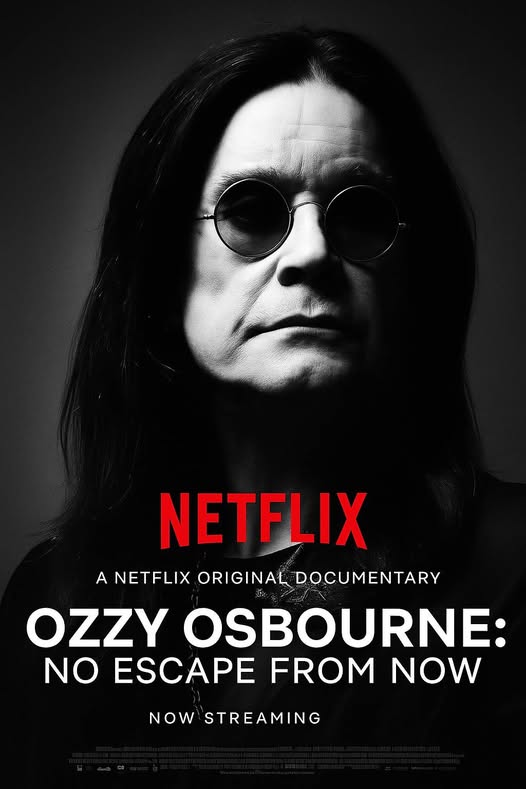
His honesty about his addictions has made him a relatable figure in a world that often glorifies excess. He never romanticized the chaos; he exposed it. He admitted to his weaknesses, owned his mistakes, and kept fighting to stay alive.
That vulnerability has endeared him to generations of fans. In a genre built on bravado, Ozzy’s openness about pain, fear, and mental health makes him timeless.
From Metal God to Reality Icon
In 2002, when The Osbournes premiered on MTV, it introduced a new generation to Ozzy—not the screaming frontman, but the bewildered, lovable family man. The show was chaotic, hilarious, and often absurd, yet it revealed something profoundly human about the rock legend.
Fans saw a different side: the father, the husband, the man who couldn’t operate a TV remote but loved his dogs and his family more than anything. Suddenly, Ozzy wasn’t just a heavy metal god—he was everyone’s bewildered, swearing dad trying to make sense of a world that moved too fast.
The series turned him into a pop-culture icon all over again, bridging the gap between old fans and new.
Later Years: The Battle Against Time
In recent years, Ozzy’s journey has become one of courage against time itself. Diagnosed with Parkinson’s disease, he has faced declining health, surgeries, and limited mobility. Yet even now, he refuses to fade quietly into legend.
His later albums, such as Ordinary Man (2020) and Patient Number 9 (2022), reveal a man reflecting on mortality with grace and wit. The themes of aging, legacy, and self-acceptance run deep through his lyrics.
He may no longer swing from stage rafters, but his spirit remains unbroken. “I’m still here,” he said in a recent interview. “Every day I wake up, I’m grateful.”
Those words carry the weight of someone who truly understands what it means to have no escape from now—to face the present moment fully, no matter how dark it gets.
Why Ozzy Still Matters
What keeps Ozzy Osbourne relevant isn’t just nostalgia—it’s authenticity. In an era of polished perfection, auto-tune, and image management, he stands as proof that imperfection can be power.
He never pretended to be anything but himself—flawed, loud, messy, and real. His music continues to inspire new generations of metal and rock artists who see in him a blueprint for rebellion without pretense.
Beyond the riffs and theatrics, Ozzy’s message has always been about survival:
You can fall apart, and still find your way back.
You can face your demons, and still make art.
You can scream into the void—and have the void sing back.
That’s why fans call him the Prince of Darkness with reverence, not fear. He represents every misfit who refused to give up.
The Legacy of “No Escape From Now”
The phrase “No Escape From Now” captures the essence of Ozzy’s life: there’s no running from the present, no hiding from who you are. It’s a message of brutal honesty—one that echoes through every stage of his career.
From the smoky clubs of Birmingham to the arenas of the world, from near-death experiences to chart-topping comebacks, Ozzy’s journey reminds us that the only way forward is through.
He has lived a life most people wouldn’t survive, and he’s done it with humor, defiance, and a strangely poetic wisdom. Every scar, every stumble, and every scream tells a story. And through it all, the music endures—louder, darker, and truer than ever.
Conclusion: The Man Who Never Escaped, But Always Endured
Ozzy Osbourne’s story isn’t about escaping darkness; it’s about walking through it. “No Escape From Now” is more than a title—it’s his truth. For over five decades, he has faced addiction, fame, grief, and illness, yet he keeps creating, keeps laughing, keeps living.
In a world that often burns out its brightest stars, Ozzy remains—weathered but still glowing, still singing, still reminding us that survival itself can be an art form.
The Prince of Darkness didn’t just survive his demons; he made them sing.
And that, perhaps, is the real magic of Ozzy Osbourne.

Why is it that you can only watch on a pay channel there’s a whole lot of us die hard fans that would love to watch and mourne with the rest