 111
111 2
2 3
3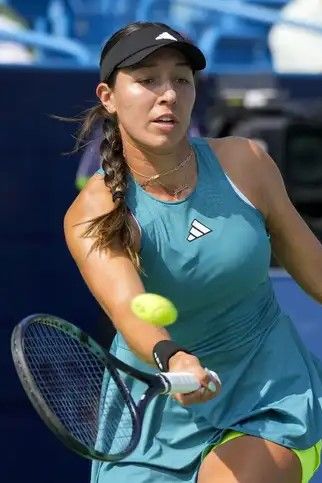
Day 3 of the French Open delivered exactly what tennis fans crave: shocking upsets, dominant performances, emotional drama, and major statement victories. As the clay courts of Paris continued heating up, the tournament narrative shifted dramatically after one of the biggest surprises of the opening week — the stunning early exit of Jessica Pegula.
Meanwhile, Jannik Sinner showcased why many analysts now consider him one of the strongest contenders for the men’s title after another commanding performance that sent a clear warning to the rest of the field.
From rising stars making breakthroughs to established favorites proving their championship credentials, Day 3 delivered nonstop storylines that immediately reshaped the tournament landscape.
In this complete French Open Day 3 recap, we break down:
If you are searching for the latest French Open Day 3 results, highlights, analysis, and player reactions, this comprehensive guide covers everything you need to know.
The biggest headline of Day 3 undoubtedly came from the women’s side, where Jessica Pegula suffered a surprising and disappointing early-round defeat.
As one of the tournament’s highly seeded players and a consistent force in women’s tennis over recent seasons, Pegula entered Roland-Garros with significant expectations. Many analysts believed her improved clay-court game positioned her for another deep Grand Slam run.
Instead, her campaign ended far earlier than expected.
The defeat immediately created one of the tournament’s first major upsets and dramatically opened up sections of the women’s draw.
Pegula’s elimination carries major implications because she has become one of the most reliable performers on the WTA Tour.
Over the past several seasons, she consistently delivered:
Her early exit now creates opportunities for lower-seeded players and rising stars looking to capitalize on a suddenly more open pathway.
Moreover, the loss highlights an important reality of modern women’s tennis:
The competition has never been deeper.
Even highly ranked players face enormous pressure from dangerous opponents capable of producing upset performances.
Several factors contributed to Pegula’s difficult Day 3 performance.
Pegula appeared unable to establish rhythm consistently during key stretches of the match.
Clay courts often reward patience and point construction, and her opponent successfully disrupted her timing throughout the contest.
Grand Slam expectations can become mentally exhausting, especially for top-seeded players expected to advance comfortably through early rounds.
At critical moments, Pegula struggled with consistency from the baseline.
Those errors proved costly against an opponent playing with confidence and freedom.
As the match progressed, frustration became increasingly visible, affecting her overall composure.
This emotional pressure often becomes amplified during Grand Slam competition where every point carries enormous importance.
While Pegula endured disappointment, Jannik Sinner delivered one of the most impressive performances of the day.
The Italian superstar advanced confidently with another dominant display that reinforced his growing reputation as a serious French Open title contender.
From the opening games, Sinner controlled the tempo with:
Most importantly, he looked completely comfortable under pressure.
That level of confidence matters enormously in Grand Slam tournaments.
Sinner’s rise over the past two seasons has transformed him into one of the most complete players in men’s tennis.
His Day 3 performance highlighted exactly why experts believe he can win multiple Grand Slam titles.
Unlike many younger players, Sinner rarely appears emotionally rattled during matches.
His calm demeanor allows him to maintain focus during high-pressure situations.
Clay-court tennis demands extraordinary stamina.
Sinner’s conditioning enables him to maintain intensity deep into long rallies and matches.
His point construction continues improving significantly.
Rather than relying solely on power, Sinner now balances aggression with patience and strategic shot selection.
Few players currently hit the ball as cleanly and consistently from both wings.
That baseline control becomes especially dangerous on slower clay surfaces.
Day 3 reinforced a growing reality:
The men’s field at this year’s French Open looks incredibly competitive.
Several top contenders appear capable of winning the title, including:
However, Sinner’s current form may place him among the most dangerous competitors remaining in the draw.
His confidence level appears exceptionally high.
The women’s draw changed dramatically after Pegula’s elimination.
Sinner looked every bit like a future champion.
Several younger players delivered breakthrough performances that energized fans.
Experienced clay players used their movement and patience effectively.
Physical endurance became a major storyline throughout the day.
Paris crowds created electric atmospheres during several tightly contested matches.
As expectations rise, emotional pressure continues affecting both veterans and younger stars.
The French Open consistently produces unforgettable moments because Grand Slam tournaments amplify every emotional and physical challenge.
Players face:
As a result, even slight momentum swings can dramatically alter outcomes.
Day 3 perfectly illustrated this volatility.
One player exited unexpectedly while another strengthened championship expectations within just a few hours.
That unpredictability is precisely why tennis fans remain captivated by Grand Slam events.
Pegula entered the tournament as one of the higher-seeded players and had established herself as one of the WTA Tour’s most consistent competitors.
Sinner delivered a dominant and composed performance, advancing comfortably while showcasing elite form.
Many analysts consider Sinner one of the strongest contenders due to his consistency, fitness, and improved clay-court game.
Clay courts slow the ball down and create longer rallies, forcing players to sustain endurance and movement for extended periods.
Pressure, nerves, unfamiliar matchups, and difficult conditions can create unpredictable results.
Several players continue impressing, including Sinner, Alcaraz, Djokovic, and other top seeds.
Grand Slam tournaments influence far more than rankings and trophies.
Strong performances significantly affect:
For players like Sinner, dominant performances accelerate global marketability enormously.
Meanwhile, unexpected exits can temporarily shift momentum for athletes seeking broader commercial recognition.
Modern tennis increasingly operates within a global entertainment ecosystem where visibility matters almost as much as victories.
Day 3 instantly generated enormous online discussion.
Fans flooded platforms like:
with reactions, analysis, and emotional responses.
Sinner’s dominance earned widespread praise, while Pegula’s defeat sparked surprise and debate regarding the unpredictability of women’s tennis.
Social media engagement during Grand Slam tournaments continues reaching extraordinary levels because fans crave real-time emotional connection with the sport.
The French Open presents unique mental challenges unlike any other Grand Slam.
Clay courts demand:
Matches often become longer and more exhausting than on faster surfaces.
As a result, mental endurance becomes just as important as technical skill.
Sinner’s calm performance reflected elite emotional control, while Pegula’s frustration demonstrated how quickly pressure can escalate during difficult matches.
Sinner’s popularity continues growing because he combines several qualities fans deeply admire:
Unlike louder personalities in sports entertainment, Sinner’s understated demeanor feels authentic and refreshing.
That authenticity strengthens fan loyalty significantly.
Moreover, many fans view him as a future face of men’s tennis.
Grand Slam tournaments remain unpredictable regardless of rankings.
Emotional control frequently determines outcomes during pressure moments.
Endurance becomes a major advantage at Roland-Garros.
The next generation continues challenging established names aggressively.
Players performing with belief often dominate critical moments.
After Day 3, several major storylines now dominate the tournament conversation.
His form looks exceptional, but tougher tests still await.
The women’s draw suddenly appears far more open.
Early-round chaos often signals additional surprises ahead.
Younger stars continue applying pressure across both draws.
French Open Day 3 delivered everything fans expect from elite Grand Slam tennis: shocking upsets, dominant performances, emotional tension, and rapidly evolving tournament narratives.
Jessica Pegula’s unexpected elimination dramatically reshaped the women’s draw, while Jannik Sinner’s commanding advancement strengthened his status as one of the tournament’s most dangerous contenders.
As Roland-Garros continues, the pressure will only intensify.
Every match now carries greater stakes, greater scrutiny, and greater emotional weight.
For fans, analysts, and players alike, Day 3 served as a powerful reminder that the French Open remains one of the most unpredictable and captivating events in global sports.
And if the opening rounds are already producing this level of drama, the biggest moments may still be ahead.