In an era where every move of a public figure can be recorded, analyzed, and shared within seconds, the line between coverage and intrusion has become dangerously thin. That reality came into sharp focus when Novak Djokovic publicly came to Coco Gauff’s defense with a striking remark: “I’m surprised there are no cameras in the shower.”
The comment, both sarcastic and serious, ignited a wave of discussion across the sports world. It wasn’t just about Coco Gauff. It was about the pressure placed on young athletes, the relentless gaze of media, and the growing question of how much access is too much.
What Djokovic expressed was not frustration alone—it was a warning.
The Moment That Sparked the Conversation
Coco Gauff, one of tennis’s brightest young stars, has been under the microscope since her teenage breakthrough. Every match, every emotion, every step between the locker room and the court seems to attract attention. Cameras capture her warm-ups, her cool-downs, and her reactions in moments of exhaustion or disappointment.
When Djokovic spoke out, his words reflected a broader concern: athletes are being watched not only during competition but also in moments meant for recovery, privacy, and reflection.
His remark—though sharp—highlighted the absurdity of the current environment. If athletes cannot find privacy even in transitional spaces, where does coverage end and personal space begin?
Why Coco Gauff Became the Center of This Issue
Coco Gauff is not just another tennis player. She represents a new generation of athletes—young, media-savvy, socially aware, and deeply influential. At just a young age, she carries the weight of expectations from fans, sponsors, and the sport itself.
Her popularity means cameras follow her constantly. While she handles attention with maturity and grace, the constant presence of media can blur boundaries between professional responsibility and personal life.
For Djokovic, a veteran who has spent over two decades in the spotlight, seeing this happen to a young athlete triggered concern. His defense of Gauff was not just about protecting one player—it was about protecting all athletes from overexposure.
A Veteran Speaking for the Next Generation
Novak Djokovic is uniquely positioned to make such a statement. As one of the most recognizable athletes in the world, he understands fame, scrutiny, and pressure better than most.
Over the years, he has experienced intense media attention—during wins, losses, injuries, and controversies. That long exposure has given him perspective. His comment about cameras in the shower was not meant to shock for humor’s sake, but to underline how invasive modern sports coverage can feel.
By defending Coco Gauff, Djokovic showed leadership beyond competition. He reminded the world that athletes are human beings first and performers second.
The Media’s Role: Information vs. Intrusion
Sports journalism has evolved dramatically. Fans now expect behind-the-scenes content, emotional reactions, and personal stories. Social media amplifies this demand, turning every moment into potential content.
But there is a difference between telling a story and invading space.
Locker room corridors, recovery zones, and moments of emotional vulnerability were once considered off-limits. Today, they are often treated as extensions of the court. This shift raises ethical questions:
- Should athletes be filmed when they are physically exhausted or emotionally distressed?
- Where should cameras be allowed—and where should they stop?
- Who decides what is fair coverage?
Djokovic’s comment forced these questions back into the spotlight.
The Pressure on Young Athletes
For younger players like Coco Gauff, the pressure is even more intense. They are growing up in an age where privacy is rare and mistakes are permanent.
Every facial expression becomes a headline. Every quiet moment becomes speculation.
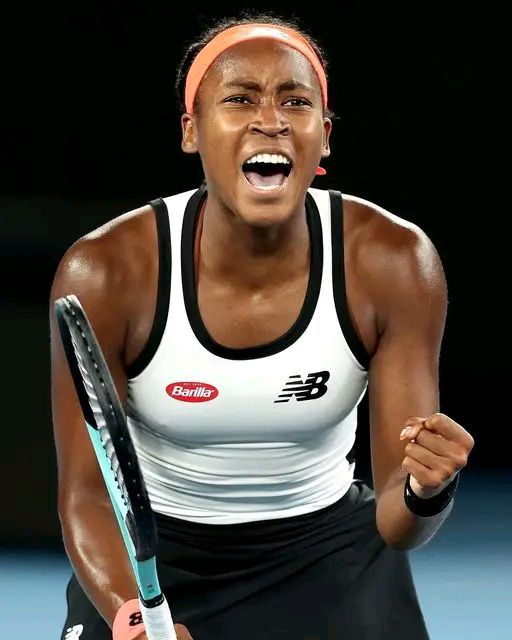
This environment can shape mental health in powerful ways. Constant surveillance can lead to anxiety, stress, and a feeling of being trapped in a performance even off the court.
Djokovic’s defense acknowledged this risk. It was a reminder that protecting young players’ well-being should be a priority—not just their marketability.
Fans and the Hunger for Access
Fans love authenticity. They want to see athletes laugh, struggle, and celebrate. This desire has fueled documentaries, behind-the-scenes footage, and social media interactions.
But when access becomes limitless, something valuable is lost: dignity.
True connection does not require full exposure. Respecting boundaries does not reduce fan engagement—it strengthens trust.
Coco Gauff’s popularity comes not from constant visibility, but from her character, her tennis, and her voice. Djokovic’s statement suggests that protecting that balance is essential.
A Cultural Shift in Sports Coverage
Djokovic’s remark reflects a broader cultural shift. More athletes are speaking out about privacy, mental health, and personal boundaries.
We’ve seen players request fewer intrusive questions. We’ve seen athletes step away from media obligations to protect their mental state. And now, we’ve seen one of the sport’s biggest names challenge the environment directly.
This isn’t rebellion. It’s evolution.
Sports culture is learning that excellence does not require constant exposure. Greatness can coexist with privacy.
Coco Gauff as a Symbol, Not a Target
It’s important to note that Coco Gauff herself has not fueled controversy. She remains poised, respectful, and focused on her tennis. That is precisely why Djokovic’s defense mattered so much.
She represents:
- Youth in a demanding profession
- Grace under pressure
- A future shaped by today’s standards
By standing up for her, Djokovic stood up for a generation that will define tennis for years to come.
The Responsibility of Tournaments and Organizations
This moment also raises questions for tournament organizers and governing bodies.
Are camera placements appropriate?
Are athletes given enough protected space?
Are media policies keeping pace with ethical standards?
If sports organizations truly care about player welfare, they must rethink how coverage is structured. Creating zones of privacy, limiting intrusive filming, and respecting emotional moments are not restrictions—they are protections.
Djokovic’s words should not be dismissed as exaggeration. They should be taken as guidance.
Why This Moment Matters Beyond Tennis
Although this incident occurred in tennis, its message applies to all sports and even beyond athletics.
Public figures in music, film, and entertainment face similar pressures. The expectation to be constantly visible has become normalized. Djokovic’s defense of Gauff challenges that normalization.
It asks society to reconsider what respect looks like in the digital age.
A Lesson in Solidarity
Perhaps the most powerful part of this story is the solidarity it represents.
A global icon defending a young star.
Experience protecting potential.
Voice standing up for vulnerability.
In competitive sports, rivals are often divided by rankings and trophies. But moments like this reveal a deeper bond—a shared understanding of what it means to live under constant scrutiny.
Djokovic’s words showed that leadership is not only about winning matches. It’s about shaping culture.
Conclusion: Drawing the Line Between Access and Respect
Novak Djokovic’s comment—“I’m surprised there are no cameras in the shower”—was not meant to provoke scandal. It was meant to provoke thought.
It challenged the sports world to ask:
Have we gone too far?
By coming to Coco Gauff’s defense, Djokovic reminded us that athletes deserve privacy, dignity, and space to be human. The conversation he sparked is bigger than one tournament or one player. It’s about redefining respect in modern sports.
As tennis continues to grow, so must its awareness of boundaries. The future of the game depends not only on talent and technology but also on compassion and understanding.
In standing up for Coco Gauff, Novak Djokovic stood up for the soul of the sport.
And that may be one of his most important victories yet.