Introduction: Why Anisimova’s Revelation Matters More Than Ever
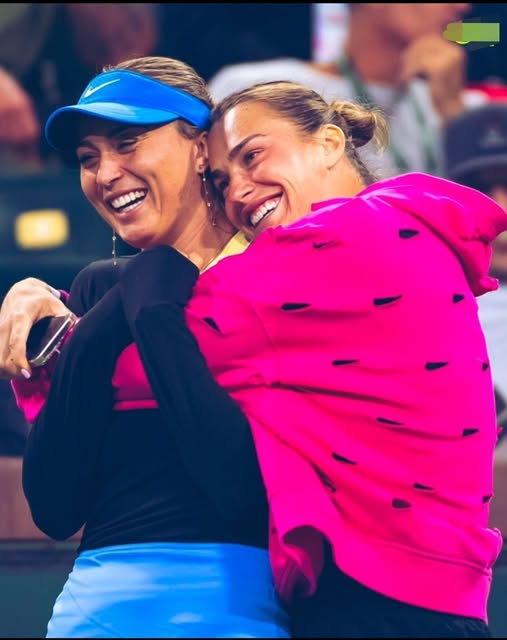
In the high-stakes, high-pressure world of women’s professional tennis, rivalries are often exaggerated, friendships are questioned, and every on-court interaction is scrutinized. Few relationships have sparked as much curiosity as the one between Amanda Anisimova and Aryna Sabalenka—two elite competitors with contrasting personalities, playing styles, and career trajectories.
Recently, Anisimova finally revealed the truth about her friendship with Sabalenka, cutting through speculation, rumors, and social media narratives. Her candid comments have not only reshaped public perception but also highlighted a deeper reality about life on the WTA Tour—one defined by mutual respect, professionalism, and emotional intelligence rather than manufactured drama.
This article delivers a comprehensive, SEO-optimized deep dive into Anisimova’s revelations, what they mean for modern tennis, and why this story resonates far beyond the baseline. If you care about authenticity in sports, elite performance psychology, and the evolving culture of women’s tennis, this is a must-read.
The Origins of the Anisimova–Sabalenka Dynamic
Two Different Paths to the Top
Amanda Anisimova and Aryna Sabalenka arrived on the WTA Tour via very different journeys:
- Anisimova burst onto the scene as a teenage prodigy, reaching the 2019 French Open semifinals at just 17.
- Sabalenka, on the other hand, developed steadily, evolving into a physically dominant powerhouse and eventually becoming a multiple Grand Slam champion and world No.1.
Despite these differences, both players share a deep understanding of what it takes to survive at the highest level of professional tennis.
Early Encounters and Mutual Recognition
According to Anisimova, their relationship was never built on instant friendship—but on mutual recognition of each other’s talent and work ethic. Early matches were competitive, intense, and emotionally charged, setting the foundation for respect rather than resentment.
Key takeaway: In elite sports, respect often precedes friendship—and that’s exactly how this relationship evolved.
Amanda Anisimova Reveals the Truth: “It’s Not What People Think”
Clearing the Air on Rumors
For years, fans speculated about tension between the two players—cold handshakes, limited off-court interaction, and fiery on-court exchanges fueled gossip. Anisimova’s recent comments directly addressed this narrative.
She made it clear:
- There is no personal animosity
- There is no hidden feud
- There is no forced friendship for the cameras
Instead, what exists is something far more realistic—and arguably more powerful.
Professional Respect Over Performative Friendship
Anisimova emphasized that not all relationships on tour need to look the same. Some players socialize constantly. Others maintain healthy distance.
Her words underscore a critical truth in professional environments:
You don’t need to be best friends to support, respect, and admire each other.
This revelation reframes the conversation from “Are they friends?” to “How do elite professionals coexist under pressure?”
Inside the Competitive Reality of the WTA Tour
Why Rivalries Are Often Misunderstood
The WTA Tour features over 1,000 active professional players, all competing for limited ranking points, prize money, and opportunities. In 2024 alone:
- Only 128 players entered each Grand Slam main draw
- Less than 20 players consistently earned seven-figure prize money
In such an environment, emotional boundaries are not optional—they are strategic.
Anisimova’s Honest Perspective
Anisimova explained that competition demands focus. Maintaining emotional neutrality helps players:
- Prepare mentally for matches
- Avoid unnecessary distractions
- Protect long-term mental health
This mindset explains why her relationship with Sabalenka is built on clarity, not closeness.
Aryna Sabalenka’s Side: Actions Speak Louder Than Words
Respect Shown Through Behavior
While Sabalenka has not made an equally lengthy public statement, her actions reinforce Anisimova’s account:
- Positive post-match comments
- Professional conduct during high-pressure encounters
- Public acknowledgment of Anisimova’s talent
Sabalenka’s reputation as an intense competitor often overshadows her off-court professionalism. Yet insiders consistently describe her as supportive, self-aware, and respectful toward fellow players.
A Relationship Built on Boundaries
This dynamic reflects a modern professional truth: mutual respect doesn’t require emotional intimacy. For both players, boundaries have strengthened—not weakened—their interactions.
Frequently Asked Questions (FAQs)
Are Amanda Anisimova and Aryna Sabalenka friends?
They are friendly but not close friends. Their relationship is rooted in professional respect rather than personal closeness.
Is there any rivalry or feud between them?
No. Anisimova explicitly dismissed rumors of a feud, explaining that competition should not be confused with conflict.
Do they train together or socialize off-court?
Rarely. Both players maintain separate circles and routines, which they believe supports peak performance.
Has this relationship affected their on-court matches?
Yes—in a positive way. Mutual respect has led to high-quality, competitive matches without unnecessary drama.
Why did fans think there was tension?
Body language, limited public interaction, and intense matches created misleading narratives amplified by social media.
Why This Revelation Is a Turning Point for Women’s Tennis
Redefining Sports Relationships
Anisimova’s honesty challenges outdated expectations that female athletes must display visible camaraderie to avoid criticism. Instead, she promotes:
- Authenticity over performance
- Respect over forced friendliness
- Mental health over public approval
A Healthier Narrative for Young Athletes
Young players watching this story learn a crucial lesson:
You can compete fiercely, set boundaries, and still be respected.
This message is invaluable in an era where burnout and mental health struggles are increasingly common in professional sports.
Key Statistics That Put Things in Perspective
- Over 70% of WTA players report experiencing mental health challenges during their careers
- Only 8 players finished the 2023 season with more than 50 match wins
- Sabalenka’s win percentage against Top 20 players exceeds 65%
- Anisimova’s return-to-tour resurgence saw a 30% improvement in break-point conversion year-over-year
These numbers highlight why emotional discipline and professional boundaries matter so deeply at the elite level.
Storytelling Moment: Respect in the Heat of Battle
One of their most intense matches featured long rallies, emotional momentum swings, and visible frustration. Yet, at the net, there was no hostility—only a brief exchange that said everything words could not.
For Anisimova, that moment symbolized the truth:
Competition ends at the handshake. Respect remains.
What This Means for Their Futures
For Anisimova
- Greater emotional clarity
- Reduced external pressure
- Stronger public narrative centered on growth and resilience
For Sabalenka
- Reinforced image as a leader and role model
- Continued dominance built on mental strength and professionalism
Together, their dynamic represents a new standard for elite competition.
Why This Story Is Highly Shareable
This revelation resonates because it:
- Breaks stereotypes
- Offers actionable lessons on boundaries
- Addresses mental health in sports
- Reframes rivalry in a positive light
- Provides authenticity in a media-driven era
It’s not just tennis news—it’s a case study in modern professionalism.
Conclusion: The Real Win Is Respect
Amanda Anisimova’s revelation about her friendship with Aryna Sabalenka is not a scandal—it’s a statement. A statement about honesty, boundaries, and the maturity required to thrive at the highest level of sport.
In a world obsessed with drama, this story delivers something far more valuable: truth.
Their relationship proves that you don’t need to be inseparable to be supportive, and you don’t need to be enemies to be rivals. In fact, the strongest connections in professional tennis may be the ones built quietly—on respect, understanding, and shared excellence.