Introduction
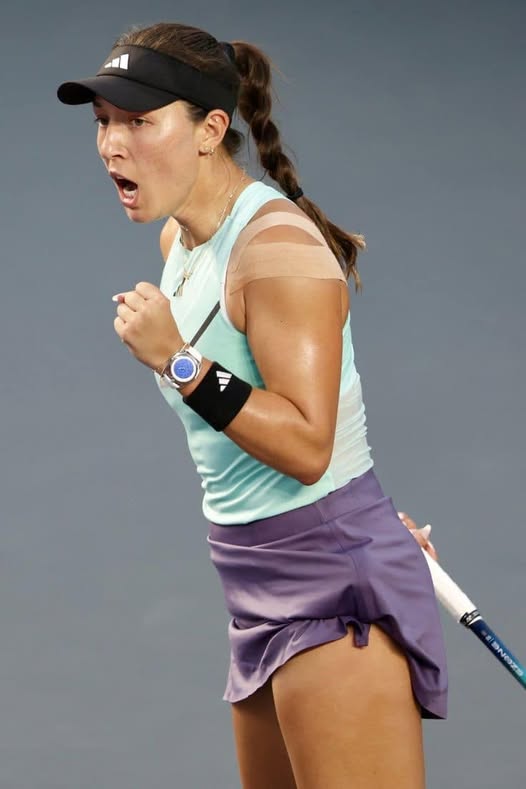
Some championships are won with power.
Others are won with precision.
But the most unforgettable titles are won with pain, courage, and unbreakable will — and that is exactly what Madison Keys delivered in her dramatic victory over Jessica Pegula to claim her ninth WTA career title.
In a match that instantly became one of the most talked-about finals of the season, Keys did not just defeat one of the world’s most consistent players — she overcame physical distress, mental pressure, and championship-level resistance to etch her name deeper into tennis history.
This was not just a win.
This was a statement.
Let’s relive the full replay, uncover the hidden turning points, explore the tactical brilliance, and answer the most searched questions about a match that redefined resilience on the WTA Tour.
Body
1. Why This Final Mattered More Than a Trophy
The Keys vs Pegula final was not just another tour-level matchup. It was a collision of two American powerhouses, each representing a different style of dominance:
- Madison Keys – raw power, explosive shot-making, fearless aggression
- Jessica Pegula – consistency, elite court coverage, tactical intelligence
Coming into the match:
- Pegula was ranked inside the WTA Top 5
- Keys was fighting for momentum after injury interruptions
- Both players were looking to send a clear message heading into the next phase of the season
But what no one expected was that Keys would have to battle through physical pain while still producing championship-level tennis.
That is what made this final legendary.
2. The Pain Factor: What Was Madison Keys Fighting Through?
One of the most searched questions after the match was:
Was Madison Keys injured during the final?
The answer is yes — and significantly.
Midway through the match, Keys was visibly uncomfortable. Her movement became slightly restricted, and she required medical attention for what appeared to be a lower-body issue, likely involving her hip or leg.
Yet instead of retreating, she elevated her aggression.
This is what separates champions from contenders.
Rather than engaging in long baseline exchanges that favored Pegula, Keys made a bold adjustment:
- Shortened points
- Bigger first serves
- Early ball striking
- Risk-reward tennis
She turned pain into strategic urgency.
3. Full Match Replay: How the Final Was Won
First Set – Pegula Takes Control
Pegula came out calm and composed, breaking early and controlling rallies with her trademark depth and consistency. She forced Keys into uncomfortable positions and capitalized on unforced errors.
Pegula took the first set with authority.
At this point, the momentum was clearly on her side.
Second Set – The Turning Point
This is where the match transformed.
Despite discomfort, Keys:
- Increased her first-serve percentage
- Started stepping inside the baseline
- Fired winners off both wings
She stopped playing safe tennis and started playing championship tennis.
Pegula, who thrives on rhythm, suddenly had none.
Keys took the second set by force — not by waiting.
Final Set – Grit Meets Glory
With both players under physical and emotional stress, the third set became a mental war.
Pegula kept extending rallies, trying to expose Keys’ movement.
But Keys refused to fold.
She delivered:
- Clutch aces
- Fearless forehands
- High-risk winners on break points
When it mattered most, Keys was braver.
That courage earned her the ninth title of her career.
4. What This Victory Means for Madison Keys
This win was about far more than prize money or ranking points.
It proved four critical things:
- She can win while injured
- She can beat elite defenders
- She can perform under pressure
- She is still a major threat on tour
With nine career titles now secured, Keys moves into an elite tier of American players in the Open Era.
More importantly, she showed that her mental toughness has caught up with her physical talent.
That combination wins Grand Slams.
5. Why Pegula Still Deserves Respect
Even in defeat, Jessica Pegula proved why she is one of the most reliable performers on the WTA Tour.
She:
- Outlasted Keys in rallies
- Forced physical pressure
- Controlled much of the early match
But elite finals are decided by who dares more, not who defends better.
Pegula played smart tennis.
Keys played fearless tennis.
And fearless tennis won.
6. Frequently Asked Questions (SEO Optimized)
Did Madison Keys really play through pain?
Yes. She showed visible signs of discomfort, received treatment, and altered her movement — yet still delivered elite shot-making under pressure.
How many career titles does Madison Keys have now?
This victory gave her nine WTA singles titles, strengthening her legacy as one of the top American players of her generation.
Why did Keys change tactics in the match?
She shortened points because longer rallies favored Pegula and also worsened her physical discomfort. Aggression was her best option — and it worked.
Is this Keys’ most impressive win?
Given the injury factor, opponent strength, and pressure of a final, many analysts consider this one of the toughest and most meaningful wins of her career.
What does this mean for her ranking?
The victory boosts her confidence, momentum, and ranking points — positioning her as a serious contender for upcoming major tournaments.
7. Business & Brand Impact of the Victory
From a business and marketing perspective, this win was huge.
Keys’ brand now reflects:
- Resilience
- Mental toughness
- Clutch performance
- Champion mentality
These qualities attract:
- Endorsement deals
- Media coverage
- Sponsorship upgrades
- Fan loyalty
Winning while injured builds legendary narratives — and narratives build value.
8. The Championship Formula Keys Used
Madison Keys followed a proven championship blueprint:
- Serve big
- Strike early
- Control tempo
- Trust your power
- Never retreat under pressure
It was not safe.
It was not comfortable.
It was brilliant.
Conclusion
Madison Keys’ victory over Jessica Pegula was not just a title win — it was a career-defining moment.
In a sport that rewards both brilliance and bravery, she delivered both while battling pain, pressure, and one of the toughest opponents on tour.
Her ninth career title stands as proof that champions are not made when everything feels good — they are made when everything hurts.