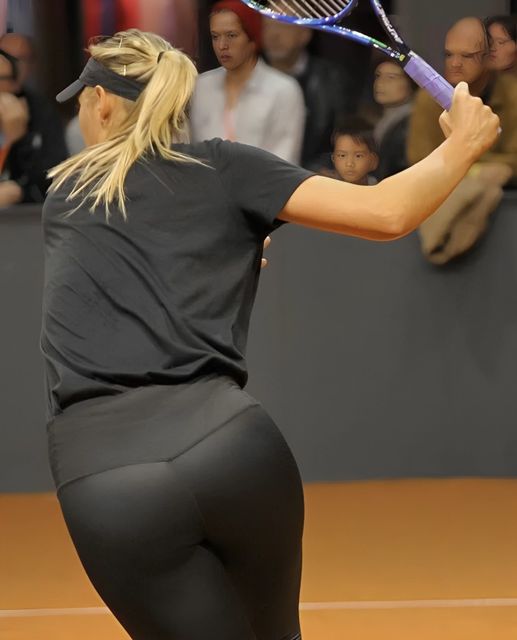
The Wuhan final was more than just a championship match—it was a defining moment in one of American tennis’s most compelling rivalries. When Coco Gauff closed strong against Jessica Pegula, she didn’t just lift a trophy; she delivered a powerful reminder of her growth, resilience, and rising authority on the WTA Tour.
Two of the United States’ best players, close in age but different in style and career trajectory, stepped onto the court with everything at stake. What followed was a high-quality, emotionally charged final that showcased tactical intelligence, physical endurance, and mental fortitude at the highest level of women’s tennis.
This was the full story of the Wuhan final—how it unfolded, why it mattered, and what it revealed about Coco Gauff’s evolution as a champion.
A Final Loaded With Meaning
The matchup itself carried layers of intrigue. Coco Gauff and Jessica Pegula know each other’s games intimately. They’ve practiced together, played for the same national colors, and met multiple times on tour. Yet every meeting brings a new dynamic, shaped by form, confidence, and momentum.
Pegula arrived in Wuhan as one of the most consistent performers on the tour—steady, disciplined, and tactically sharp. Gauff, on the other hand, came in riding a wave of confidence, her game increasingly polished and her mentality noticeably hardened by experience.
The final wasn’t about surprise. It was about execution.
Set One: Pegula’s Precision Meets Gauff’s Patience
From the opening games, Jessica Pegula set the tone with her trademark efficiency. She absorbed pace, redirected the ball with clean timing, and forced Coco Gauff to play extra shots. Pegula’s ability to take the ball early disrupted Gauff’s rhythm, particularly on the forehand wing.
Gauff, however, didn’t panic.
She stayed patient, using her athleticism to extend rallies and relying on her improved serve to stay level in tight moments. The set became a chess match—Pegula probing for openings, Gauff defending with depth and waiting for opportunities to counterattack.
Key moments swung on small margins: a missed return here, a brave second serve there. Pegula edged ahead with cleaner execution in the crucial points, taking advantage of slight hesitation from Gauff during extended rallies.
The first set belonged to Pegula, but the match felt far from decided.
The Turning Point: Gauff Adjusts, Not Retreats
Championship matches are often decided by who adapts first. After dropping the opening set, Coco Gauff did exactly that.
Instead of trying to overpower Pegula, Gauff adjusted her patterns. She increased her margin over the net, targeted Pegula’s forehand with heavier topspin, and stepped inside the baseline whenever possible to dictate play. Most importantly, her serve became a weapon—not just for free points, but for setting up her next shot.
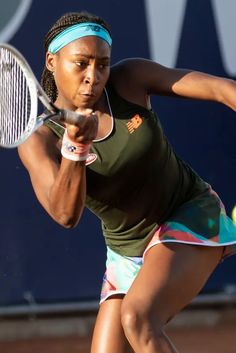
Gauff also began varying her return position, occasionally standing further back to neutralize Pegula’s timing, then stepping forward to surprise her with aggressive returns.
The shift was subtle but effective.
Set Two: Momentum Swings Toward Gauff
As the second set unfolded, the energy on court changed. Gauff’s movement grew sharper, her body language more assertive. She began taking control of rallies, finishing points at the net and using her backhand down the line to open the court.
Pegula, still solid, started to feel the pressure of having to hit closer to the lines. Unforced errors crept in—not through recklessness, but through the sheer demand of matching Gauff’s increasing intensity.
The crowd sensed it too. Every long rally that ended in Gauff’s favor felt like a message: this match was turning.
Gauff broke serve midway through the set with a fearless return game, punctuated by a bold backhand winner that brought her to the edge of the court, fist clenched, eyes focused.
She closed the second set with authority, leveling the match and setting the stage for a decisive final act.
The Final Set: Closing Like a Champion
The third set is where champions separate themselves, and Coco Gauff delivered one of her most composed closing performances of the season.
Pegula, known for her resilience, refused to fade. She continued to fight for every point, pushing Gauff into uncomfortable positions and testing her shot tolerance. But the difference lay in how Gauff handled the biggest moments.
Her serve held firm under pressure. Her shot selection remained disciplined. And her movement—arguably her greatest strength—allowed her to turn defense into offense repeatedly.
Gauff broke Pegula with a sequence that encapsulated the match: a deep return, a patient rally, and a fearless forehand winner struck on the run.
From there, she never looked back.
Serving for the championship, Gauff stayed calm. No rushing. No theatrics. Just clean execution. A strong first serve, a controlled baseline exchange, and one final, emphatic point sealed the victory.
Coco Gauff closed strong—and the Wuhan final belonged to her.
What This Win Says About Coco Gauff
This victory was about far more than a trophy. It was a reflection of Coco Gauff’s evolution.
Once labeled a prodigy, she has steadily transformed into a complete competitor. Her serve is more reliable. Her forehand more controlled. Her mental game—perhaps the most important upgrade—now matches her physical gifts.
Against Pegula, Gauff didn’t just rely on athleticism. She relied on decision-making, adaptability, and trust in her preparation.
That’s the mark of a champion.
Jessica Pegula: Consistency Meets a Rising Peak
Despite the loss, Jessica Pegula’s performance in the Wuhan final reaffirmed why she remains one of the tour’s most respected competitors. Her ability to absorb pressure, stay composed, and execute under stress makes her a constant threat in any draw.
Pegula’s game is built on reliability and intelligence, and in the early stages of the final, it paid dividends. The difference came down to marginal gains—slightly heavier shots from Gauff, slightly bolder positioning, slightly better execution at the finish line.
This was not a defeat that diminishes Pegula. It was a reminder of how fine the margins are at the top level.
An American Rivalry With Depth and Respect
One of the most compelling aspects of this matchup is the mutual respect between the two players. There was no drama, no theatrics—just high-level tennis played with intensity and professionalism.
As American women’s tennis continues its resurgence, matchups like Gauff vs. Pegula represent its depth and future. Different styles, different journeys, same hunger to win.
Their rivalry isn’t about animosity. It’s about excellence.
Why the Wuhan Final Matters
In the broader context of the season, this final stands out as a momentum-defining moment. For Gauff, it reinforced her status as a closer—someone who can absorb pressure and deliver when it matters most.
For the tour, it highlighted the increasing competitiveness at the top, where titles are earned through adaptation and mental toughness rather than raw talent alone.
And for fans, it was a reminder of why women’s tennis continues to deliver some of the most compelling matches in the sport.
Closing Thoughts: A Statement Made, Not Declared
Coco Gauff didn’t shout after winning the Wuhan final. She didn’t over-celebrate. She simply smiled, acknowledged her opponent, and embraced the moment with quiet confidence.
That, perhaps, is the clearest sign of how far she has come.
The full Wuhan final showed a young star closing strong against one of the tour’s most consistent players—and doing so with the calm authority of someone who knows exactly where she’s headed next.
For Coco Gauff, this wasn’t just another win.
It was a statement—delivered point by point, set by set, and finished with poise.