Introduction

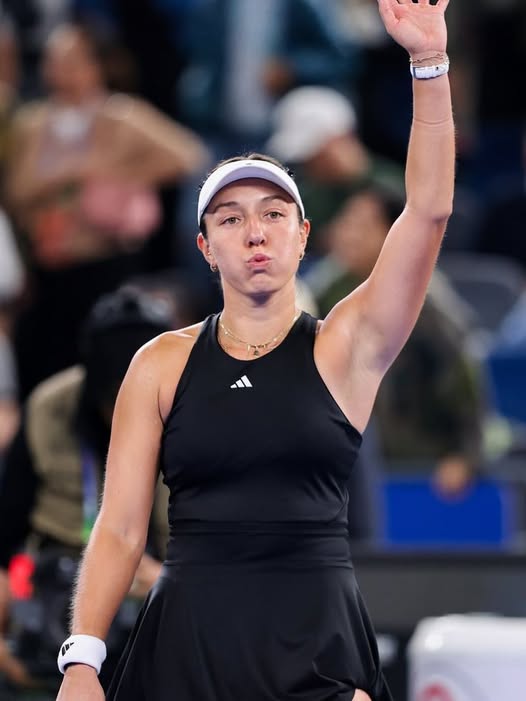
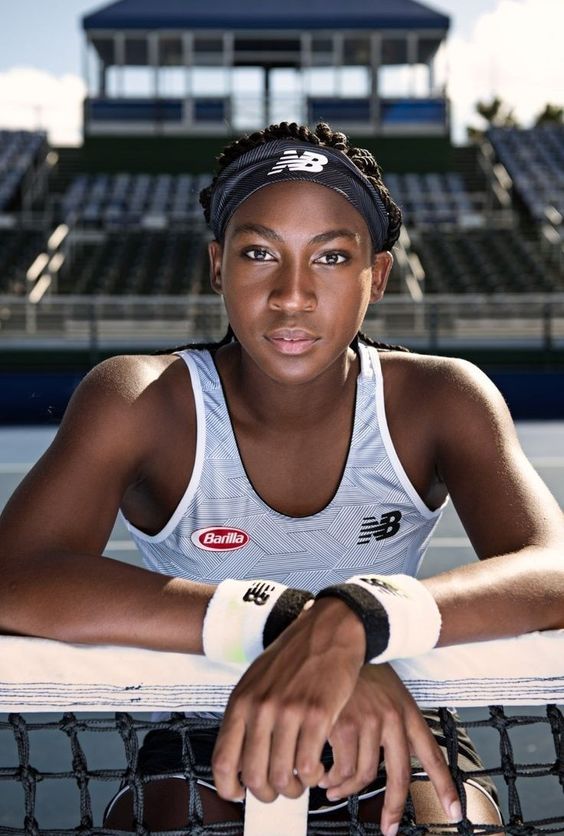
The tennis world thrives on moments that blur the line between past greatness and future dominance. One such moment has set social media and sports newsrooms buzzing: a former world number one, who officially retired earlier this year, has been pictured practicing with Jannik Sinner ahead of the 2026 season.
The images didn’t come with a press release. There was no official announcement. Just a quiet practice session that instantly ignited speculation, excitement, and strategic debate across the tennis community.
Is this a coaching partnership in the making? A mentoring role? Or simply an elite training exchange between generations?
In this in-depth analysis, we break down what this surprise appearance means for Jannik Sinner, the retired champion, and the future of men’s tennis, while answering the most frequently asked questions fans are searching for right now.
Why This Practice Session Has Shaken the Tennis World
In elite sport, nothing is accidental—especially at the top of professional tennis.
When a former world No.1, a player who once dominated Grand Slam finals and rewrote ranking history, is seen training with the current face of the ATP Tour, it sends a clear message:
something serious is happening behind the scenes.
Key reasons this moment matters:
- Generational crossover between past dominance and future supremacy
- Strategic knowledge transfer at the highest level
- Long-term planning for the 2026 season, not just immediate results
- Business and branding implications for tennis as a global sport
In today’s hyper-competitive era, marginal gains decide Grand Slams. And few assets are more valuable than the insight of a former world No.1.
Jannik Sinner: Building a Long-Term Dynasty, Not Just Winning Titles
Jannik Sinner’s rise has been meteoric—but what separates him from many prodigies is planning beyond the present.
Why Sinner’s camp is thinking about 2026 now:
- Longevity over short-term success
- Adaptation to evolving playing styles
- Injury prevention and career sustainability
- Mental resilience for extended dominance
By the end of the 2024 season, Sinner had already:
- Consistently ranked inside the ATP Top 3
- Recorded a win percentage above 75% against Top 10 opponents
- Established himself as one of the most mentally composed players on tour
Training with a retired world No.1 suggests Sinner is investing in legacy-building, not just match preparation.
The Retired World No.1: Why Step Back on Court After Retirement?
Retirement doesn’t end a champion’s relationship with the sport—it redefines it.
For former world No.1 players, the post-retirement phase often includes:
- Mentorship roles
- Strategic consulting
- Selective coaching collaborations
- Short-term advisory projects
This practice session fits a familiar pattern: elite minds sharing elite experience without long-term contractual commitments.
Why former champions return to training environments:
- To stay mentally connected to the sport
- To pass on tactical knowledge not found in analytics
- To influence the next generation’s mindset
- To remain relevant within the tennis ecosystem
In business terms, this is intellectual capital deployment at the highest level.
What Can Jannik Sinner Learn From a Former World No.1?
Talent opens doors. Experience keeps them open.
1. Match Management at Grand Slam Level
Former world No.1 players understand:
- When to absorb pressure
- When to slow the tempo
- How to close five-set matches
These are lessons earned, not taught.
2. Handling the Weight of Expectation
Being world No.1 means:
- Playing every opponent’s “final”
- Managing constant media pressure
- Performing with nothing left to prove
That psychological resilience is priceless.
3. Adapting Across Surfaces
Champions who’ve ruled across hard, clay, and grass courts bring:
- Tactical versatility
- Seasonal planning expertise
- Matchup-specific preparation strategies
For Sinner, whose game continues to evolve on grass and clay, this insight is strategic gold.
Is This the Beginning of a Coaching Partnership?
This is the question dominating search engines—and for good reason.
The short answer: Possibly, but not necessarily
Modern tennis coaching structures are increasingly modular:
- Short-term collaboration
- Tournament-specific advisory roles
- Pre-season strategy blocks
Rather than replacing his existing team, Sinner may be adding elite experience as a strategic layer.
This mirrors successful models used by other champions, where former legends contribute without disrupting established systems.
Frequently Asked Questions (FAQs)
Who is the retired former world No.1 practicing with Jannik Sinner?
While no official confirmation has been made, reports describe a recently retired former ATP world No.1, fueling widespread speculation and media interest.
Is Jannik Sinner changing his coaching team?
There is no indication of a coaching overhaul. The session appears to be a collaborative training effort rather than a replacement of his core staff.
Why is the focus already on the 2026 season?
Elite athletes plan two to four years ahead. Preparing for peak performance windows requires long-term physical, tactical, and mental alignment.
Does this mean a comeback for the retired champion?
Highly unlikely. This appears to be a mentorship or advisory role, not a competitive return.
Has this happened before in tennis?
Yes. Several former champions have quietly trained or advised rising stars, often before formal announcements—or sometimes without any announcement at all.
The Bigger Picture: Tennis as a Business of Legacy
This moment isn’t just about training—it’s about brand continuity.
From a business perspective:
- Sinner represents the future marketability of men’s tennis
- Former champions embody credibility and heritage
- Their collaboration strengthens fan engagement and storytelling
This is how sports maintain relevance across generations—by connecting eras, not replacing them.
What This Means for the 2026 ATP Landscape
If this collaboration deepens, expect:
- A more tactically refined Sinner
- Improved late-match decision-making
- Greater adaptability under pressure
- Enhanced leadership presence on tour
In a landscape where margins define champions, experience becomes a competitive weapon.
Conclusion: A Quiet Practice Session With Loud Implications
Some moments don’t need press conferences to make history.
A retired world No.1 stepping back onto the practice court alongside Jannik Sinner isn’t nostalgia—it’s strategy. It signals ambition, foresight, and a commitment to excellence that extends beyond rankings and trophies.
As the 2026 season edges closer, one thing is clear:
Jannik Sinner isn’t just preparing to win—he’s preparing to lead an era.
And when legends quietly choose to stand beside you, it usually means they see something worth investing in.