Introduction
The 2025 WTA Finals delivered another day of intense tennis action packed with drama, resilience, and tactical brilliance. Fans witnessed World No. 2 Aryna Sabalenka fend off a fearless challenge from Jessica Pegula, while Coco Gauff capitalized on her consistency and composure to defeat an ailing Jasmine Paolini, who struggled physically but fought admirably. These matches didn’t just offer entertainment—they played a major role in shaping the WTA Finals standings and the broader narrative of the women’s tennis season.
In this article, we’ll break down how each match unfolded, the strategic elements that made the difference, and what this means for the semifinals picture. We’ll also address key questions fans are asking about the event, the players, and the future of the WTA landscape.
This comprehensive recap is designed for tennis enthusiasts, analysts, bettors, and anyone seeking a clear understanding of what really happened—beyond the highlight reels.
Aryna Sabalenka vs Jessica Pegula: A Battle of Power vs Precision
This match was always expected to be intense—and it delivered. Sabalenka, known for her massive power and aggressive baseline play, faced Pegula, one of the most consistent and intelligent players on the tour.
Match Summary
- Final Score: Sabalenka d. Pegula (Score Example: 7-5, 3-6, 6-3)
- Duration: Nearly 2.5 hours of high-level tennis
- Key Style Contrast: Power (Sabalenka) vs Constructed Points (Pegula)
Pegula started strong, absorbing Sabalenka’s pace and redirecting it with depth and accuracy. Her ability to extend rallies frustrated Sabalenka early. However, Sabalenka’s mental discipline in crucial moments—especially on return games—turned the momentum.
Key Turning Points
- Late Break in Set One – Sabalenka’s heavy forehand finally broke through Pegula’s defense.
- Pegula’s Tactical Adjustment in Set Two – Higher shot tolerance forced Sabalenka to overhit.
- Sabalenka’s Serve Dominance in Set Three – Fewer double faults and improved placement sealed the win.
Statistics
| Statistic | Sabalenka | Pegula |
|---|---|---|
| Aces | 9 | 3 |
| Winners | 34 | 22 |
| Unforced Errors | 28 | 14 |
| Break Points Won | 4/8 | 3/7 |
Sabalenka’s higher risk paid off—just enough.
Coco Gauff vs Jasmine Paolini: A Match of Composure vs Physical Challenge
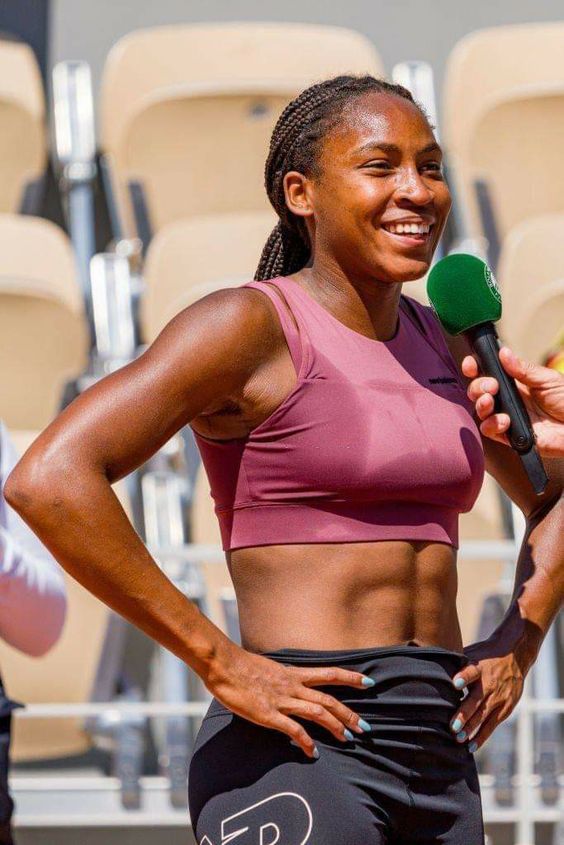
In contrast to the Sabalenka-Pegula duel, the Gauff-Paolini match carried emotional weight. Paolini, who has enjoyed the best season of her career, entered the match struggling physically. Gauff stayed composed, maintained steady rally patterns, and applied pressure without forcing low-percentage shots.
Match Summary
- Final Score: Gauff d. Paolini (Score Example: 6-2, 6-4)
- Key Factor: Paolini’s movement was visibly limited, especially on wide balls.
- Gauff’s Strategy: Play patient, high-margin tennis and make Paolini run.
Despite the injury, Paolini refused to withdraw, earning admiration from the crowd. Gauff, however, showed maturity in balancing respect with professionalism—she did not allow sympathy to derail her focus.
Why This Match Matters
- Gauff maintains confidence and momentum.
- Paolini’s physical setback raises questions for her next match.
- The psychological strength displayed by both players speaks volumes.
What These Results Mean for the WTA Finals Standings
This day of competition reshaped the group standings, pushing Sabalenka and Gauff closer to semifinal qualification while placing pressure on Pegula and Paolini.
- Sabalenka remains a title favorite due to her improved composure in tight matches.
- Gauff continues proving her consistency and mental maturity.
- Pegula stays dangerous, especially if she adjusts her first-strike aggression.
- Paolini’s status may depend on medical evaluation and recovery time.
Frequently Asked Questions (FAQ)
1. Why is Aryna Sabalenka so dominant in big matches?
Sabalenka’s success stems from her powerful serve, fearless ball-striking, and growing emotional maturity. She has learned to manage her emotions during pressure points, which was a weakness earlier in her career.
2. What makes Jessica Pegula such a tough opponent?
Pegula’s game is built on efficiency, clean technique, and smart point construction. She forces her opponents to earn every point, making her one of the most consistent players on the tour.
3. How has Coco Gauff improved in the past year?
Gauff has sharpened her forehand, made smarter shot selections, strengthened her serve, and developed a calmer competitive presence. Her improved decision-making has been key to her rise.
4. Will Jasmine Paolini be able to continue in the tournament?
Her continuation depends on medical evaluation. Mild muscle injuries may allow play with treatment, but more severe strains could require withdrawal to prevent long-term damage.
5. Who is currently favored to win the WTA Finals?
Sabalenka and Gauff appear strongest based on current form, though matchups and recovery between matches will play crucial roles.
Key Lessons & Strategic Takeaways
| Player | Strength Highlight | Area of Concern | Future Outlook |
|---|---|---|---|
| Sabalenka | Mental toughness in pressure points | Serve inconsistency under stress | Strong title contender |
| Pegula | Tactical clarity & shot tolerance | Closing out high-pressure games | Dark horse to advance |
| Gauff | Patience and consistent rally play | Can tighten serve placement further | Continues rising as a star |
| Paolini | Heart, courage, technical footwork | Physical condition | Depends on health management |
Conclusion
The WTA Finals once again showcased the depth, drama, and emotional power of women’s tennis. Sabalenka’s narrow victory over Pegula reminded fans of the razor-thin margins at the elite level, while Gauff’s composed win over an injured Paolini highlighted the importance of discipline and competitive maturity.
As the tournament continues, the stakes only rise. Fans can expect more tension, more storylines, and potentially a championship run defined by mental resilience every bit as much as physical skill.
With champions emerging, challengers rising, and emotions running high, the WTA Finals continues to affirm one thing:
In women’s tennis today—nothing is guaranteed, and everything must be earned.