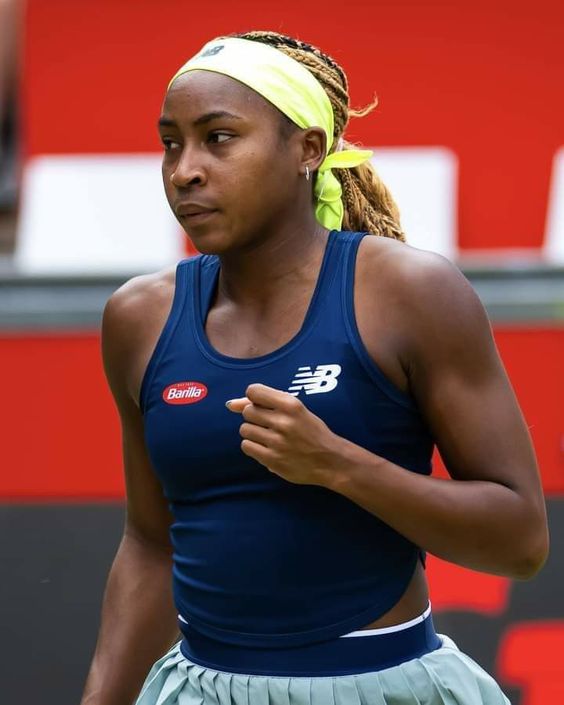
In the high-pressure world of professional tennis, emotions often walk a thin line between control and collapse. For Coco Gauff, that line became visible to millions after her heartbreaking quarter-final loss to Elina Svitolina—a match that ended not only in defeat but in frustration, tears, and a shattered racket.
The moment instantly went viral. Cameras caught Gauff smashing her racket on the court, a rare display of visible anger from a player often praised for her maturity and composure. Social media erupted. Some fans sympathized. Others criticized her reaction as unprofessional. And soon, the conversation shifted from the match itself to the emotional toll of elite competition.
Now, Gauff has spoken out, defending her actions and reminding the world of a simple truth: even champions are human.
A Loss That Cut Deep
Coco Gauff entered the quarter-final match against Elina Svitolina with high expectations. The young American star had been playing confident tennis and was widely considered a contender for the title. But Svitolina delivered a performance marked by experience, precision, and tactical discipline, dismantling Gauff’s rhythm and exposing her weaknesses.
What made the loss especially painful was not just the scoreline, but the way it unfolded. Gauff struggled to find her timing. Errors crept in. Momentum slipped away. The match became a mental battle as much as a physical one—and Svitolina never loosened her grip.
For Gauff, it wasn’t just another defeat. It felt like a missed opportunity.
As the final point ended, the frustration that had been building throughout the match spilled over. The racket slam followed almost instinctively—a physical release of disappointment, anger, and exhaustion.
The Reaction: Divided Opinions
The image of Gauff smashing her racket spread quickly across sports media. Fans and commentators debated whether the reaction was justified.
Some argued that a player of her stature should show more restraint. Others saw the moment as refreshingly honest. In an era when athletes are often expected to be flawless role models, Gauff’s emotional response felt raw and real.
This division highlights a larger question in modern sports culture:
Are athletes allowed to be emotional, or must they always be composed?
Gauff’s response suggests that expecting emotional perfection from a 20-year-old competing at the highest level may be unrealistic.
Gauff Speaks: “I Care Too Much”
In the days following the match, Gauff addressed the moment directly. She didn’t apologize for caring. Instead, she explained why the outburst happened.
“I’m passionate. I hate losing. I put so much into every match,” she said. “Sometimes when things don’t go the way you want, emotions come out. That doesn’t make me weak—it makes me human.”
Her words resonated with many fans, especially young athletes who see themselves in her struggles. The pressure to win, the expectations from the public, and the internal desire to be better all collide in moments like that.
Rather than deflecting blame, Gauff framed the incident as part of her growth process.
The Pressure of Being Coco Gauff
Since bursting onto the scene as a teenager, Coco Gauff has carried enormous expectations. She is not just a tennis player—she is a symbol of the future of the sport.
With Grand Slam titles, endorsements, and global recognition come constant scrutiny. Every match is analyzed. Every reaction is dissected. Every mistake becomes a headline.
Unlike many players who develop away from the spotlight, Gauff has grown up in it. Her emotional outburst, therefore, wasn’t just about losing to Svitolina—it was about carrying years of pressure on her shoulders.
In that sense, the smashed racket became symbolic: a visible crack in the armor of a player often seen as endlessly composed.
Elina Svitolina’s Role in the Story
It would be unfair to focus solely on Gauff’s reaction without acknowledging Svitolina’s performance. The Ukrainian star played a tactically brilliant match, neutralizing Gauff’s strengths and forcing her into uncomfortable positions.
Svitolina’s experience showed in her ability to stay calm during key moments. While Gauff wrestled with frustration, Svitolina maintained clarity.
The contrast between the two players highlighted the emotional side of competition: one player managed pressure internally; the other expressed it externally.

Both approaches are part of sport.
Racket-Smashing: A Long Tennis Tradition
Historically, racket smashing is nothing new in tennis. Legends of the game have done it—sometimes repeatedly. The difference today is visibility. Every moment is captured, replayed, and judged instantly.
What once might have been a fleeting emotional release is now a permanent digital record.
Gauff’s reaction, while dramatic, fits within a long lineage of athletes expressing frustration through their equipment. The key issue is not whether it happened, but what it represents: a player who refuses to hide how deeply she feels about winning and losing.
Mental Health and Emotional Honesty
In recent years, athletes have become more open about mental health struggles. Tennis in particular has seen stars step back from competition due to emotional strain.
Gauff’s defense of her outburst aligns with this new honesty. Instead of pretending the moment didn’t matter, she acknowledged it as part of her emotional process.
This openness sends an important message: emotional reactions do not equal weakness. They can be a sign of investment, passion, and humanity.
For young fans watching from home, that message matters.
Learning From Defeat
Every great champion has moments of emotional collapse. What defines them is how they respond afterward.
For Gauff, this loss could become a turning point. Not because of the racket smash, but because of the reflection that followed it. She has already spoken about learning to manage frustration better and channeling it into preparation.
In many ways, the incident may strengthen her resilience. Instead of hiding from criticism, she faced it head-on.
This is the mark of a player evolving not just technically, but emotionally.
Fans and the Culture of Judgment
Social media often demands perfection. Athletes are expected to win gracefully and lose gracefully—without visible emotion.
But sport has never been about emotional neutrality. It has always been about drama, heartbreak, triumph, and vulnerability.
Gauff’s moment reminded fans that behind the rankings and trophies is a person navigating disappointment in real time.
Some supporters praised her courage. Others urged patience. What’s clear is that the incident sparked a deeper conversation about how we treat athletes when they fall short.
What This Means for Gauff’s Career
One emotional moment will not define Coco Gauff’s legacy. If anything, it adds another layer to her story.
She remains one of the brightest talents in tennis, with years of competition ahead. Losses like this are part of the journey toward greatness.
The ability to confront failure, explain it, and move forward is what separates good players from great ones.
Gauff’s willingness to defend herself—not arrogantly, but honestly—suggests she is learning how to handle both victory and defeat in the public eye.
A Reflection of Modern Sports
This episode also reflects how modern sports operate. Matches no longer end when the final point is played. They continue through social media reactions, interviews, and public debate.
Gauff’s racket smash became a narrative because fans crave stories beyond the scoreboard. They want to understand what athletes feel.
In that sense, her reaction humanized the sport. It showed that even elite performers struggle with disappointment in ways that look very familiar to everyday people.
Conclusion: Emotion Is Not the Enemy
Coco Gauff’s decision to defend her racket-smashing moment after her crushing quarter-final loss to Elina Svitolina was not an act of defiance—it was an act of honesty.
She did not excuse the behavior as ideal. She explained it as emotional. And in doing so, she reminded the tennis world that passion does not disappear just because someone reaches the top.
The true story is not about a broken racket.
It is about a young champion learning how to carry the weight of expectation, loss, and ambition—all at once.
As Gauff continues her journey, this moment will likely be remembered not as a failure, but as part of the process that shapes champions.
Because sometimes, growth begins where frustration ends.