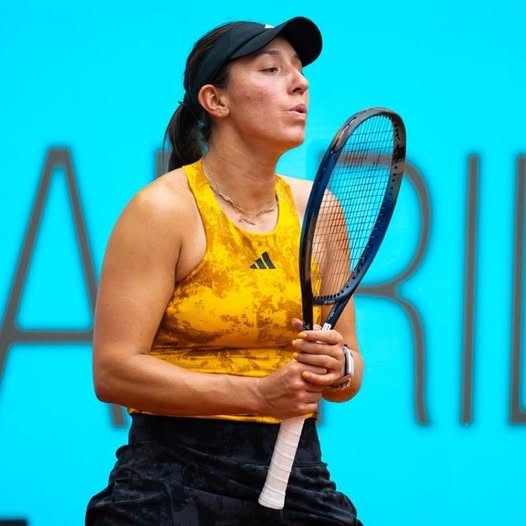
Some moments in sports don’t just make headlines — they reshape the conversation. Lindsey Vonn’s claim of a record-breaking 83rd World Cup win is one of those moments. Whether you follow alpine skiing religiously or casually admire greatness from afar, this milestone has ignited global attention far beyond the slopes.
What makes this moment even more compelling is who reacted.
Tennis powerhouses Jessica Pegula, Naomi Osaka, and Maria Sharapova — athletes who know exactly what it takes to dominate on the world stage — all weighed in. Their reactions transformed Vonn’s achievement from a skiing headline into a cross-sport statement about longevity, resilience, and elite performance.
In this in-depth, SEO-optimized analysis, we break down:
- Why Lindsey Vonn’s 83rd World Cup win matters so much
- How Pegula, Osaka, and Sharapova reacted — and why their voices carry weight
- What this moment reveals about modern elite athletes
- Key FAQs fans are asking right now
- The broader business, branding, and legacy implications of this historic claim
This is not just a celebration. It’s a case study in greatness.
Lindsey Vonn’s 83rd World Cup Win: Why This Milestone Is Historic
A Record That Redefines Longevity
Lindsey Vonn has long been synonymous with excellence in alpine skiing. Claiming an 83rd World Cup victory reinforces her status as one of the most dominant athletes in sports history — not just skiing.
Key reasons this win matters:
- Longevity at the elite level: Competing — and winning — across multiple eras
- Physical resilience: Overcoming severe injuries that would have ended most careers
- Mental toughness: Thriving under constant pressure and global scrutiny
- Consistency: World Cup wins demand excellence across entire seasons, not one-off performances
In a sport where milliseconds separate victory from defeat, reaching 83 wins is not accidental. It’s the result of decades of elite decision-making, preparation, and sacrifice.
Why Tennis Stars Reacting Is a Big Deal
Elite athletes tend to recognize greatness in each other faster than fans do. When champions from another global sport react publicly, it signals something bigger than routine congratulations.
Jessica Pegula, Naomi Osaka, and Maria Sharapova all bring unique credibility:
- Pegula: A modern symbol of consistency and professionalism
- Osaka: A global icon balancing performance, identity, and mental health
- Sharapova: A five-time Grand Slam champion and business powerhouse
Their reactions elevated Vonn’s achievement from a sporting milestone to a universal symbol of elite success.
Jessica Pegula’s Reaction: Respect from One Elite Professional to Another
Consistency Recognizes Consistency
Jessica Pegula’s rise in women’s tennis has been built on reliability, discipline, and professionalism — qualities that mirror Lindsey Vonn’s career.
Pegula’s reaction emphasized:
- Respect for sustained excellence
- Admiration for Vonn’s ability to remain competitive over time
- Recognition of the work required behind the scenes to reach such milestones
Pegula’s voice matters because she represents the new generation of elite athletes — data-driven, mentally strong, and relentlessly consistent. Her acknowledgment signals that Vonn’s achievement resonates with athletes who understand the grind of modern professional sports.
Key takeaway:
When consistency recognizes consistency, it validates greatness across disciplines.
Naomi Osaka’s Reaction: The Mental Strength Conversation
More Than Wins — It’s About Survival at the Top
Naomi Osaka’s reaction carried a deeper emotional layer. Known for her openness about mental health, pressure, and identity, Osaka’s acknowledgment reframed Vonn’s win as more than a number.
Her reaction highlighted:
- The mental endurance required to sustain elite performance
- The emotional cost of public expectation
- The courage it takes to continue competing under scrutiny
For fans, Osaka’s response reinforced a powerful truth:
Winning at the highest level isn’t just physical — it’s psychological.
Vonn’s career, marked by comebacks and public vulnerability, aligns closely with the modern athlete narrative that Osaka represents.
Why this matters for SEO and engagement:
Mental resilience, athlete wellness, and longevity are among the most searched sports topics globally — and this moment connects all three.
Maria Sharapova’s Reaction: Legacy Recognizes Legacy
A Champion’s Perspective on Immortality
Maria Sharapova’s reaction carried the weight of history. As a former world No. 1 and five-time Grand Slam champion, Sharapova understands what it means to transition from athlete to icon.
Her response centered on:
- Legacy-building moments
- The rarity of sustained dominance
- Respect for redefining what’s possible in women’s sports
Sharapova’s acknowledgment framed Vonn’s 83rd win as a career-defining chapter, not just another victory.
From a business perspective, this is crucial.
Sharapova is now a successful entrepreneur and investor. Her recognition subtly reinforces Vonn’s value not only as an athlete but as a long-term global brand.
The Business Impact: Why This Moment Matters Beyond Sports
Brand Power, Marketability, and Cultural Influence
Lindsey Vonn’s claimed 83rd World Cup win has immediate commercial implications:
- Brand longevity: Extended relevance increases sponsorship value
- Cross-sport appeal: Recognition from tennis stars broadens audience reach
- Media amplification: Multi-sport reactions fuel global coverage
- Women’s sports momentum: Reinforces investment confidence
In today’s sports economy, moments like this drive:
- Increased digital engagement
- Higher speaking and endorsement opportunities
- Long-term legacy positioning
This is how elite athletes future-proof their influence.
Frequently Asked Questions (FAQs)
Did Lindsey Vonn really win her 83rd World Cup race?
Lindsey Vonn has publicly claimed her 83rd World Cup win, marking another historic milestone in her legendary career. The claim itself has sparked widespread discussion and celebration across the sports world.
Why are Jessica Pegula, Naomi Osaka, and Maria Sharapova reacting?
Because greatness recognizes greatness. All three athletes understand elite pressure, longevity, and global scrutiny — making their reactions particularly meaningful.
What makes 83 World Cup wins so rare?
World Cup victories require consistency across entire seasons, elite physical conditioning, and mental resilience. Few athletes in any sport sustain that level for so long.
How does this impact Lindsey Vonn’s legacy?
It strengthens her position as one of the greatest athletes — male or female — in sports history and enhances her long-term brand value.
Why does this matter to fans outside skiing?
Because it’s a universal story of resilience, excellence, and defying limits — themes that resonate across all sports and industries.
Storytelling Moment: The Quiet Power of Mutual Respect
What makes this moment special isn’t just the number 83.
It’s the image of three tennis champions, each from different generations and philosophies, pausing to recognize excellence in another arena. No rivalry. No comparison. Just respect.
In a hyper-competitive sports world, that unity sends a powerful message:
Greatness is not confined by sport — it’s defined by standards.
Key Lessons from This Historic Moment
- Longevity beats hype
- Mental strength is as valuable as physical talent
- Legacy is built through consistency, not moments
- Cross-sport respect amplifies impact
- Women’s sports thrive when greatness is shared, not siloed
These lessons are actionable not just for athletes — but for leaders, entrepreneurs, and professionals striving for long-term success.
Conclusion: One Win, Global Echoes
Lindsey Vonn’s claimed 83rd World Cup win is more than a statistic. It’s a reminder that excellence, when sustained over time, becomes timeless.
The reactions from Jessica Pegula, Naomi Osaka, and Maria Sharapova transformed this achievement into a cross-sport celebration of resilience, professionalism, and legacy.