Introduction: Why Sabalenka vs Kyrgios Is More Than Just an Exhibition
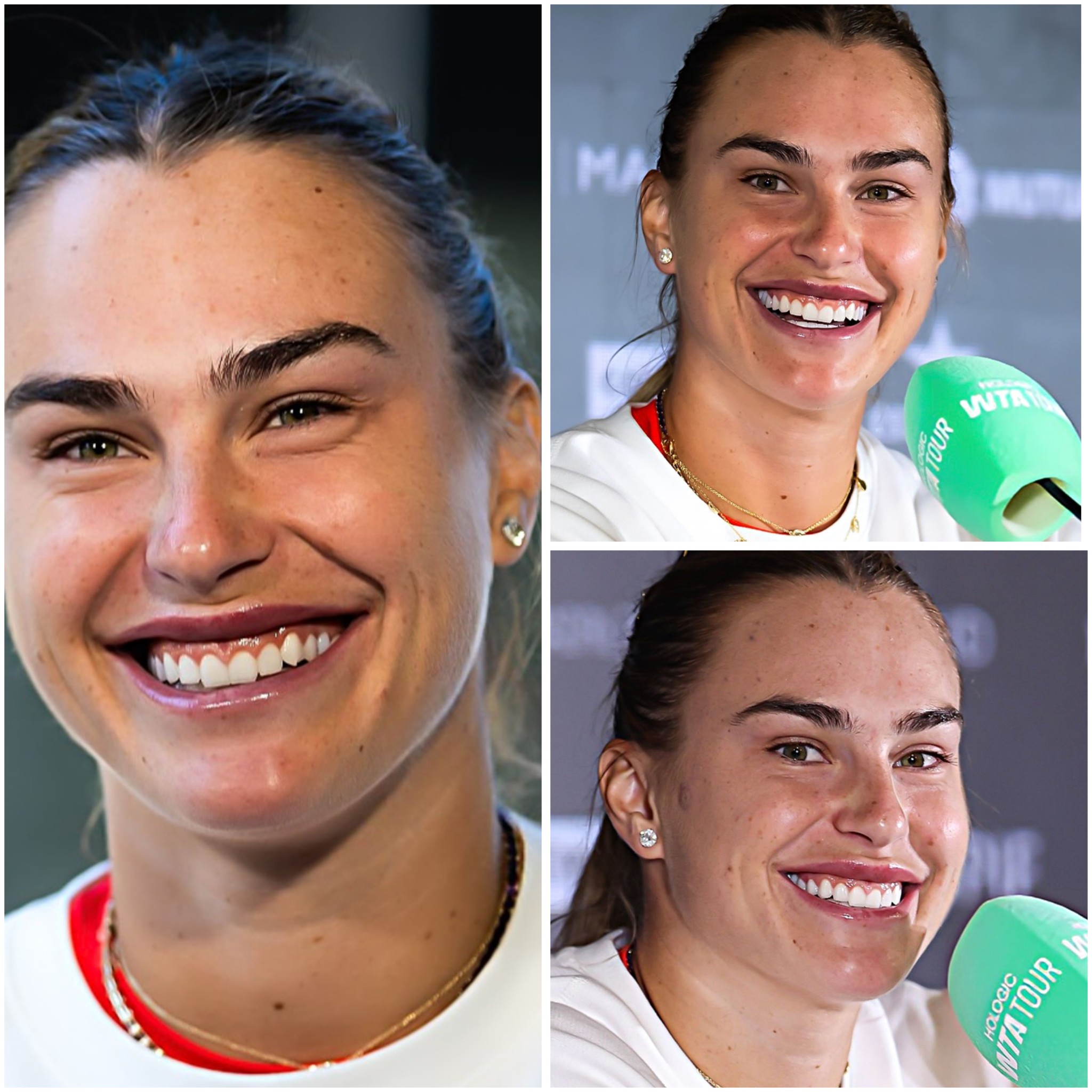
Few tennis events spark debate, curiosity, and global attention quite like a modern “Battle of the Sexes.” When two polarizing, headline-dominating stars such as Aryna Sabalenka and Nick Kyrgios are linked to a crossover showdown, the tennis world stops to ask one question: How would this even work?
This is not just about power versus power, or women’s tennis versus men’s tennis. It is about format innovation, competitive balance, commercial appeal, and the evolution of tennis entertainment in a crowded sports market.
With exhibition matches becoming smarter, more lucrative, and more fan-driven, understanding the rules, format, handicaps, and strategic adjustments behind a potential Sabalenka vs Kyrgios Battle of the Sexes is essential. This article breaks it all down — clearly, professionally, and with business-level insight.
What Is a “Battle of the Sexes” Match in Tennis?
A Battle of the Sexes tennis match is a mixed-gender exhibition designed to be competitive, entertaining, and commercially viable. Unlike official ATP or WTA events, these matches are not ranked, allowing organizers to implement custom rules to offset physiological differences while preserving elite-level competition.
Historically, the concept gained fame through Billie Jean King vs Bobby Riggs (1973), a cultural moment that reshaped women’s sports. Today’s versions are less political and more strategic — focused on fairness, pacing, and fan engagement.
A potential Aryna Sabalenka vs Nick Kyrgios matchup would follow this modern blueprint.
Why Aryna Sabalenka vs Nick Kyrgios Makes Perfect Sense
From a commercial and sporting standpoint, this pairing is unusually compelling.
- Aryna Sabalenka is one of the most powerful players in women’s tennis history, consistently averaging 115–120 mph first serves, rivaling lower-tier ATP players.
- Nick Kyrgios, a former Wimbledon finalist, is known for explosive serving, unpredictable shot-making, and entertainment-driven tennis.
Both athletes:
- Command massive social media reach
- Polarize audiences (which drives clicks, views, and ticket sales)
- Thrive in high-pressure, spotlight events
In short, this matchup is marketable, global, and emotionally charged — a promoter’s dream.
The Core Question: How Can This Match Be Fair?
The central challenge of any Battle of the Sexes event is competitive balance. On average, male players generate:
- Faster serve speeds (130–145 mph at the elite level)
- Higher net clearance on heavy topspin shots
- Greater court coverage due to speed and reach
To counter this, organizers rely on rule-based equalizers, not physical compromises.
Sabalenka vs Kyrgios: Expected Match Format Explained
While final rules would depend on the event organizer, most modern exhibitions follow a hybrid fairness model. Here is the most realistic and widely accepted structure.
1. Court and Equipment Rules
- Standard singles court
- Regular tennis balls
- No equipment modifications
Why this matters: altering equipment diminishes credibility. Modern exhibitions preserve authenticity while adjusting scoring and serve rules instead.
2. Serve Advantage Rules (The Biggest Equalizer)
Serve rules are the most common balancing tool — and likely the most critical in this matchup.
Likely format:
- Kyrgios gets one serve only (no second serve)
- Sabalenka keeps two serves
- Alternatively, Kyrgios serves from a slightly reduced service box or uses a no-ad pressure rule
This immediately reduces Kyrgios’ biggest weapon while amplifying Sabalenka’s return strength — one of the best in the WTA.
3. Scoring System: Short, Intense, High Drama
To maximize excitement and reduce endurance disparity, exhibitions favor short-form scoring.
Expected scoring format:
- Best of three sets
- Sets played to four games
- No-ad scoring
- Match tiebreak (first to 10) if sets are split
This format:
- Rewards aggression
- Punishes inconsistency
- Keeps momentum swings frequent and unpredictable
4. Coaching and On-Court Strategy Adjustments
In many modern exhibitions:
- On-court coaching is allowed
- Players can receive tactical input between games
This favors Sabalenka, whose structured power game thrives with clear tactical frameworks, while Kyrgios often plays instinctively.
Frequently Asked Questions (FAQs)
Is This an Official ATP or WTA Match?
No. A Battle of the Sexes match is classified as an exhibition, meaning:
- No ranking points
- No impact on official records
- Freedom to customize rules
This allows creativity without compromising professional tours.
Would Sabalenka Actually Be Competitive Against Kyrgios?
Yes — under the right format.
Statistically:
- Sabalenka’s average forehand speed rivals ATP top-100 players
- Her return positioning neutralizes first-serve dominance
- Short-set formats reduce physical mismatch
With serve restrictions applied to Kyrgios, the matchup becomes tactically competitive, not symbolic.
Has Anything Like This Worked Before?
Yes — repeatedly.
- Serena Williams vs Karsten Braasch (1998) demonstrated the importance of format balance
- Hopman Cup mixed singles showed how rule tweaks create fair competition
- Ultimate Tennis Showdown (UTS) proved fans embrace innovation
Modern tennis audiences reward entertainment plus legitimacy, not raw tradition.
Why Do Fans Love These Matches?
Because they combine:
- Elite skill
- Personality-driven drama
- Unpredictable outcomes
- Short attention-span friendly formats
From a business perspective, these events generate high ROI, viral content, and cross-tour visibility.
Strategic Breakdown: How Each Player Would Approach the Match
Aryna Sabalenka’s Game Plan
Sabalenka would rely on:
- Heavy first-strike tennis
- Targeting Kyrgios’ backhand under pressure
- Aggressive return positioning
- Short-point dominance
Her biggest advantage? Consistency under structure.
Nick Kyrgios’ Game Plan
Kyrgios would likely:
- Use variety to disrupt rhythm
- Employ drop shots and serve-and-volley tactics
- Attempt psychological momentum shifts
- Play crowd-engagement mind games
His success would depend on shot selection discipline, not raw power.
The Business Impact: Why This Match Would Be a Commercial Win
From sponsorship to broadcasting, this event checks every box:
- Gender crossover appeal
- Global marketability
- High social media virality
- One-night premium pricing model
Brands love:
- Narrative-driven events
- Star personality clashes
- Guaranteed media coverage
In an era where sports compete with streaming, gaming, and short-form content, this is tennis adapting — not compromising.
Key Takeaways: What Fans Should Remember
- A Sabalenka vs Kyrgios Battle of the Sexes would use custom rules to ensure fairness
- Serve limitations and short sets are the primary equalizers
- The match would prioritize competition, entertainment, and credibility
- This format reflects tennis’s future, not a novelty act
Conclusion: A Glimpse Into Tennis’s Evolving Future
A potential Aryna Sabalenka vs Nick Kyrgios Battle of the Sexes is not about proving who is “better.” It is about showcasing elite skill under smart conditions, engaging new audiences, and redefining what premium tennis entertainment looks like in 2025 and beyond.
With the right format, transparent rules, and strategic balance, this matchup would deliver drama, legitimacy, and massive global appeal — exactly what modern tennis needs to stay relevant, profitable, and exciting.