Introduction
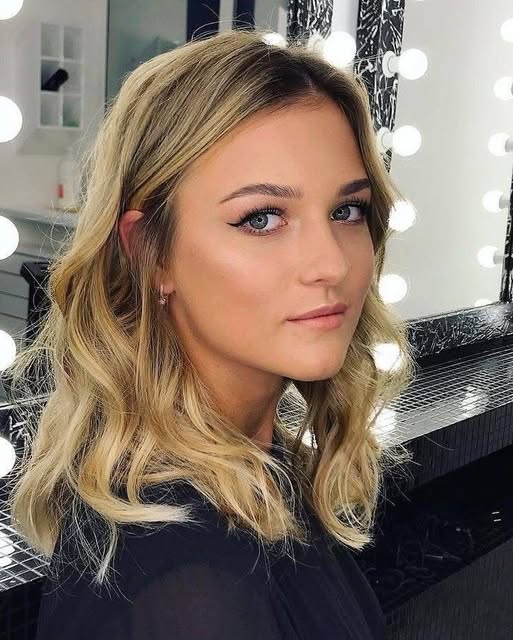
In an era where elite athletes curate every moment of their lives online, Anna Kalinskaya’s Hawaii vacation did more than deliver postcard-perfect images—it sparked conversation across the tennis world. While many of her peers opted for the ultra-luxury calm of the Maldives, Kalinskaya went the opposite direction, choosing Hawaii and poking fun at tennis players vacationing in the Maldives.
At first glance, it looked like harmless humor. But in reality, the moment captured something much bigger: a shift in athlete branding, authenticity, and how modern tennis stars connect with fans during the off-season.
This article breaks down why Kalinskaya’s playful decision resonated, what it says about tennis culture today, and how vacations—yes, vacations—have become a powerful business and branding tool in professional sports.
Anna Kalinskaya’s Hawaii Choice: More Than a Vacation
Why Hawaii, and Why Now?
The professional tennis calendar is brutal. Between the WTA Tour, Grand Slams, mandatory travel, and recovery cycles, players spend up to 40 weeks a year on the road. The off-season, often lasting just 6–8 weeks, becomes sacred.
For many players, the Maldives represents:
- Privacy
- Controlled luxury
- Total escape
Kalinskaya, however, chose Hawaii—vibrant, public, adventurous, and unapologetically active.
By doing so, she sent a subtle but clear message:
Recovery doesn’t have to be isolated. It can be energizing, social, and fun.
The Maldives Joke That Broke the Internet (Softly)
Kalinskaya’s lighthearted jab at fellow players vacationing in the Maldives wasn’t aggressive or mean-spirited. It was self-aware humor, the kind fans instantly recognize as genuine.
Why the Joke Worked
- Relatability: Fans are tired of perfectly staged luxury shots.
- Authenticity: The humor felt spontaneous, not manufactured.
- Timing: Off-season content performs best on social media.
- Contrast: Hawaii vs. Maldives created instant visual storytelling.
According to social media engagement studies, posts showing humor and behind-the-scenes authenticity receive up to 33% higher interaction rates than polished promotional content.
Kalinskaya leaned into that reality—and it paid off.
Hawaii vs. Maldives: Two Very Different Athlete Mindsets
What the Maldives Represents in Tennis Culture
The Maldives has become almost symbolic in professional tennis:
- Overwater villas
- Seclusion
- Minimal distractions
- Controlled training environments
It’s ideal for players focused on:
- Injury recovery
- Mental reset
- Private coaching blocks
What Hawaii Represents
Hawaii, by contrast, signals:
- Adventure
- Outdoor movement
- Surf, hikes, and public beaches
- Cultural immersion
Kalinskaya’s choice suggested active recovery, a growing trend among elite athletes who believe movement-based rest improves long-term performance.
The Business of Athlete Vacations
Why Off-Season Choices Matter Financially
Modern athletes are no longer just competitors—they are brands.
Vacation content impacts:
- Sponsorship appeal
- Media visibility
- Fan loyalty
- Algorithm reach
Statistics show that athletes posting lifestyle content during the off-season see follower growth increase by 15–25% compared to in-season periods.
Kalinskaya’s Hawaii content:
- Differentiated her brand
- Increased shareability
- Reinforced a youthful, adventurous image
From a business standpoint, it was a smart move.
Anna Kalinskaya’s Brand Evolution
From Rising Star to Marketable Personality
Kalinskaya has steadily grown her presence on the WTA Tour, but moments like this accelerate brand recognition beyond match results.
Key brand traits she reinforced:
- Confidence
- Humor
- Independence
- Authenticity
In today’s tennis economy, personality often travels faster than rankings.
Why Fans Loved It
Emotional Connection Beats Perfection
Fans responded positively because:
- The post felt unscripted
- The joke felt inclusive
- The destination felt real
In a digital landscape dominated by sameness, difference wins attention.
Kalinskaya didn’t criticize her peers—she simply showed there’s more than one way to relax.
Frequently Asked Questions (FAQs)
Why did Anna Kalinskaya choose Hawaii instead of the Maldives?
Kalinskaya appeared to favor active recovery, adventure, and humor over isolation. Hawaii aligns with movement-based rest and offers a more relatable, energetic atmosphere.
Was Kalinskaya criticizing other tennis players?
No. Her comment was clearly playful and self-aware, poking fun at a trend rather than attacking individuals.
Do tennis players really prefer the Maldives?
Yes, many do. The Maldives offers privacy, luxury, and controlled environments, making it ideal for recovery. However, preferences vary widely.
How important is off-season recovery for tennis players?
Extremely important. Studies show that proper off-season recovery reduces injury risk by up to 30% during the following season.
Does vacation content actually affect an athlete’s career?
Absolutely. In the social media era, lifestyle visibility influences sponsorships, fan engagement, and long-term marketability.
The Rise of Authentic Athlete Storytelling
A Shift in Sports Marketing
Gone are the days when athletes only spoke through press releases.
Today’s winning formula includes:
- Humor
- Vulnerability
- Lifestyle transparency
- Relatable moments
Kalinskaya’s Hawaii post checked all those boxes.
What This Means for the WTA Tour
A New Generation, A New Voice
The WTA is experiencing a generational shift where players:
- Control their narratives
- Engage directly with fans
- Build brands alongside careers
Kalinskaya’s moment reflects a broader movement toward individuality in women’s tennis.
Strategic Takeaways for Athletes and Brands
Lessons from Kalinskaya’s Hawaii Moment
- Authenticity scales faster than luxury
- Humor increases engagement
- Contrast creates conversation
- Lifestyle content builds emotional equity
- Off-season visibility matters
For brands watching closely, these are not accidents—they are signals.
The Psychology Behind Vacation Choices
Why Fans Care Where Athletes Travel
Vacation choices symbolize:
- Personality
- Values
- Mindset
Hawaii suggested freedom and energy.
The Maldives suggests calm and control.
Neither is wrong—but difference drives discussion.
Why This Story Went Viral Without Trying
Kalinskaya didn’t chase controversy. She embraced:
- Timing
- Tone
- Transparency
In content marketing, that’s the sweet spot.
Conclusion
Anna Kalinskaya’s Hawaii vacation—and her playful poke at tennis players choosing the Maldives—was more than a joke. It was a masterclass in modern athlete branding, authentic storytelling, and understanding how fans truly connect.
By choosing energy over isolation, humor over perfection, and authenticity over luxury clichés, Kalinskaya reminded the tennis world that personality is power.
In a sport defined by discipline and precision, moments like these humanize players—and in today’s business-driven sports ecosystem, that connection is priceless.