In the world of professional tennis, rivalries often define careers, shape legacies, and bring out truths that athletes usually keep hidden beneath layers of discipline and decorum. Some rivalries are built on statistics, some on contrasting personalities, and others on the emotional toll one opponent places on another. For Jessica Pegula, one of the most composed and consistent players on the WTA Tour, her encounters with Aryna Sabalenka fall into all three categories.
Pegula has now opened up about her emotions after every match versus Sabalenka—an admission that shines a rare light on the mental journey of one of tennis’s most collected competitors. The American star, celebrated for her calm demeanor and strategic precision, revealed that the psychological weight of these matches reaches far deeper than fans may realize. Her comments offer a compelling look at what it means to face one of the tour’s fiercest ball-strikers and biggest personalities.
This is the untold emotional story behind the Pegula–Sabalenka rivalry—a rivalry built not simply on wins and losses, but on grit, respect, vulnerability, and the pursuit of excellence.
A Rivalry Written in Contrast
Jessica Pegula and Aryna Sabalenka could not be more different on court. Pegula is the definition of composure—a player who relies on patience, clarity, and tactical brilliance. Her quiet confidence is her power. She dismantles opponents through calm intelligence, absorbing pressure and redirecting it with clinical precision.
Sabalenka, on the other hand, is raw energy and explosive force. Every groundstroke is a declaration, every roar a release. She plays with fire in her veins, her game fueled by fearlessness and aggression.
Their differences make their matchups intense, unpredictable, and emotionally charged. Pegula acknowledges that the energy Sabalenka brings to the court forces her into a different mental space—one that doesn’t come naturally to her.
“Every match versus Aryna is emotionally exhausting,” Pegula admitted. “No matter the result, I walk off the court feeling something deep. She pushes me into a part of myself that I don’t tap into against anyone else.”
These words reveal something rare: even for the world’s most polished professionals, certain opponents touch a nerve.
Why Sabalenka Leaves a Mark
Pegula’s emotional reaction is not rooted solely in pressure or stress—it’s rooted in respect. Sabalenka’s game tests Pegula’s limits physically and mentally, forcing her to reach a level of intensity she normally doesn’t need to summon.
Against Sabalenka, rally patterns rarely flow smoothly. Pegula cannot rely solely on consistency or placement; she must counter pure power with razor-sharp decision-making. She must stay braced for the barrage, knowing a single short ball can end the rally.
Every point becomes a battlefield.
That battleground effect is exactly what Pegula feels afterward.
“When I play her, it never feels like an ordinary match,” Pegula reflected. “There’s always this emotional high—sometimes frustration, sometimes pride, sometimes relief. But it never leaves me empty. It always feels like it meant something.”
In tennis, where many matches blur together, Sabalenka brings a storm Pegula cannot ignore.
The Silent Emotions Behind the Calm Exterior
Fans often label Pegula as stoic, steady, even unshakeable. But her openness reveals that her matches with Sabalenka shake her more than she lets on. She described leaving the court with adrenaline still firing through her body long after the match has ended.
Some matches leave her emotionally drained—particularly those where she feels she played well but Sabalenka’s power proved overwhelming. Others leave her proud, having gone toe-to-toe with one of the tour’s most intimidating competitors.
There are also matches that stay with her simply because of their tension.
Sabalenka’s fierce will to win, combined with Pegula’s strategic insistence on staying calm, creates a clash not just of styles but of mental energies. Pegula absorbs the force of Sabalenka’s intensity, and whether she wins or loses, she carries the residue of that emotional exchange.
This emotional honesty from Pegula resonates with fans because it humanizes the matchups we watch unfold. It reminds us that even the coldest composure is backed by internal storms.
Respect, Rivalry, and the Psychology of Elite Sport
Pegula’s revelations highlight an important truth: elite athletes are emotional beings, even as they perform under extreme public pressure. What makes her comments especially meaningful is how they break the wall between the reality of the competition and the curated image of emotional control.
Her words also underscore something deeper—the role certain rivals play in shaping an athlete’s mindset. Sabalenka, with her bold presence, forces Pegula to step outside her natural emotional rhythm. This kind of psychological impact is what creates iconic sports rivalries.
Pegula admitted that Sabalenka is one of the few players who makes her walk onto the court with heightened awareness.
“You know you’re going to feel something when you play Aryna,” she said. “You prepare yourself because she always brings her intensity. Her energy is contagious. Whether it lifts you up or overwhelms you depends on the day.”
This speaks to why tennis is often described as a mental chess match combined with physical war. Opponents are not just rivals—they are catalysts.
Matches That Defined the Emotional Landscape
Throughout their meetings, Pegula and Sabalenka have produced moments that showcase the full spectrum of emotion—tension, triumph, heartbreak, disbelief, and electric suspense.
Some of their battles stretched into deciding sets, becoming tests of endurance and mental fortitude. Others were quick and brutal, decided by Sabalenka’s overpowering play or Pegula’s surgical precision.
Pegula admits she remembers nearly every one of them vividly.
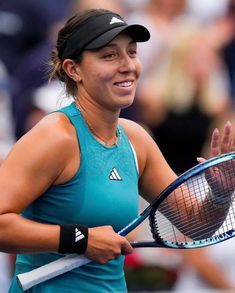
“The details stay with me longer than with most matches,” she explained. “How a certain game felt. How I handled pressure. How she responded. Those moments replay in your mind.”
To Pegula, facing Sabalenka is more than a match; it’s a measuring stick of growth, courage, and resilience.
The Weight of Losing—and the Power of Winning
Pegula’s emotional reflections also extend to the aftermath of victory or defeat.
When she wins, the emotions are layered: pride in conquering one of the most difficult challenges on tour, relief at surviving the intensity, and satisfaction in staying mentally locked in. Winning against Sabalenka feels like validation.
When she loses, the reaction is equally complex.
“You never feel like you lost because you didn’t try,” Pegula said. “You lose because she played at a level very few players can match. There’s frustration sometimes, but also respect.”
Her maturity in handling losses is one of Pegula’s defining traits. But Sabalenka pushes that maturity to its limits, reminding her that tennis at the highest level is a blend of brilliance and brutality.
A Rivalry Built on Mutual Elevation
Perhaps the most compelling part of Pegula’s emotional revelation is the acknowledgment that she and Sabalenka elevate each other. Their matches demand the best version of themselves—not just technically, but mentally and emotionally.
This mutual elevation is what makes great rivalries unforgettable.
Sabalenka challenges Pegula’s mindset. Pegula forces Sabalenka to control her chaos. Together, they create battles that captivate audiences and leave emotional imprints on both players.
Pegula’s honesty adds richness to this dynamic, turning the rivalry into a story not just of competition, but of personal growth.
The Human Side of a Champion
Jessica Pegula has long been admired for her professionalism, consistency, and grounded personality. But this glimpse into her emotional world reveals the human contours beneath the surface.
Her openness not only sheds light on the psychological demands of facing a powerhouse like Aryna Sabalenka—it connects her to fans who often wonder how athletes manage the emotional storms of elite sport.
Pegula’s reflections remind us that even the calmest athletes carry invisible battles. Her voice adds depth to a rivalry defined not by animosity, but by intensity, respect, and the emotional echoes each match leaves behind.
Conclusion: A Rivalry That Defines an Era
The Pegula–Sabalenka rivalry stands among the most compelling on the WTA Tour because it engages not just skill and strategy, but emotion. Pegula’s honest admission—that every match against Sabalenka leaves her with strong emotions—adds a powerful layer of humanity to their story.
In an era where tennis is faster, fiercer, and more mentally demanding than ever, these emotional insights remind us that the heart is just as important as technique.
Jessica Pegula and Aryna Sabalenka will continue to clash on courts around the world, but now, fans will watch with a deeper understanding of what those battles mean—not just to the sport, but to the players themselves.